


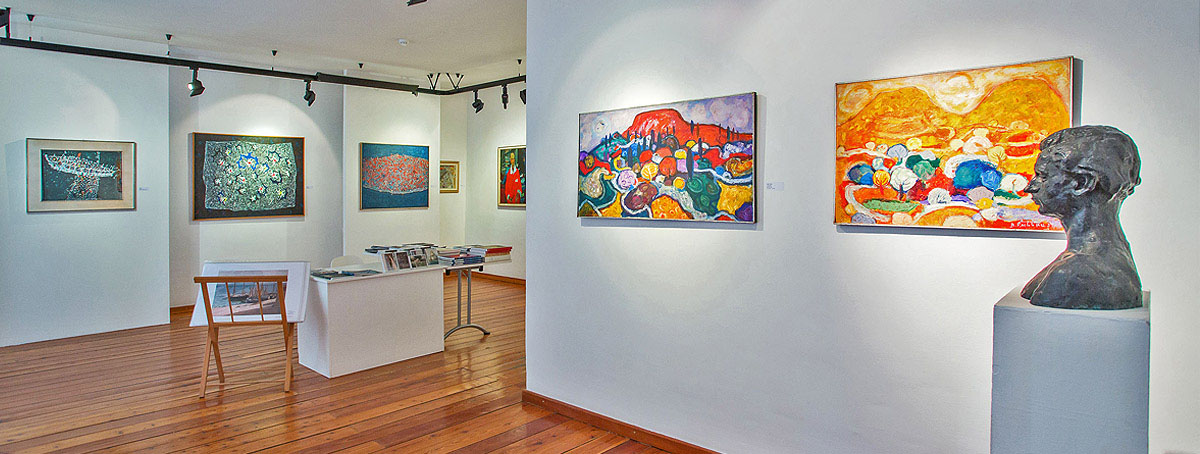
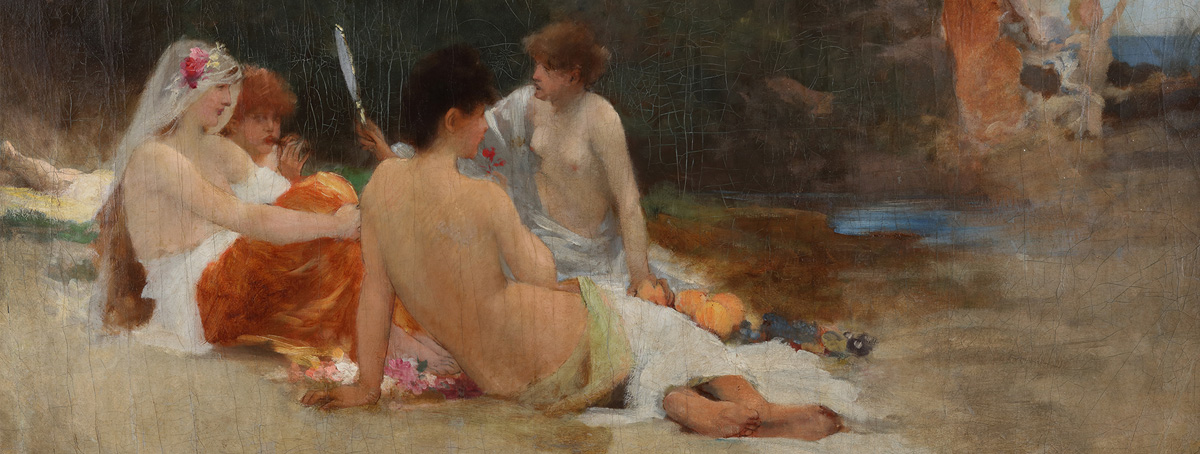

EXHIBITIONS · Gallery Dulčić Masle Pulitika
VLADIMIR PANDŽIĆ – BLUES OF LIFE
23. July 2026. – 13. September 2026.
Curated by: Petra Golušić, Museum of Modern Art Dubrovnik
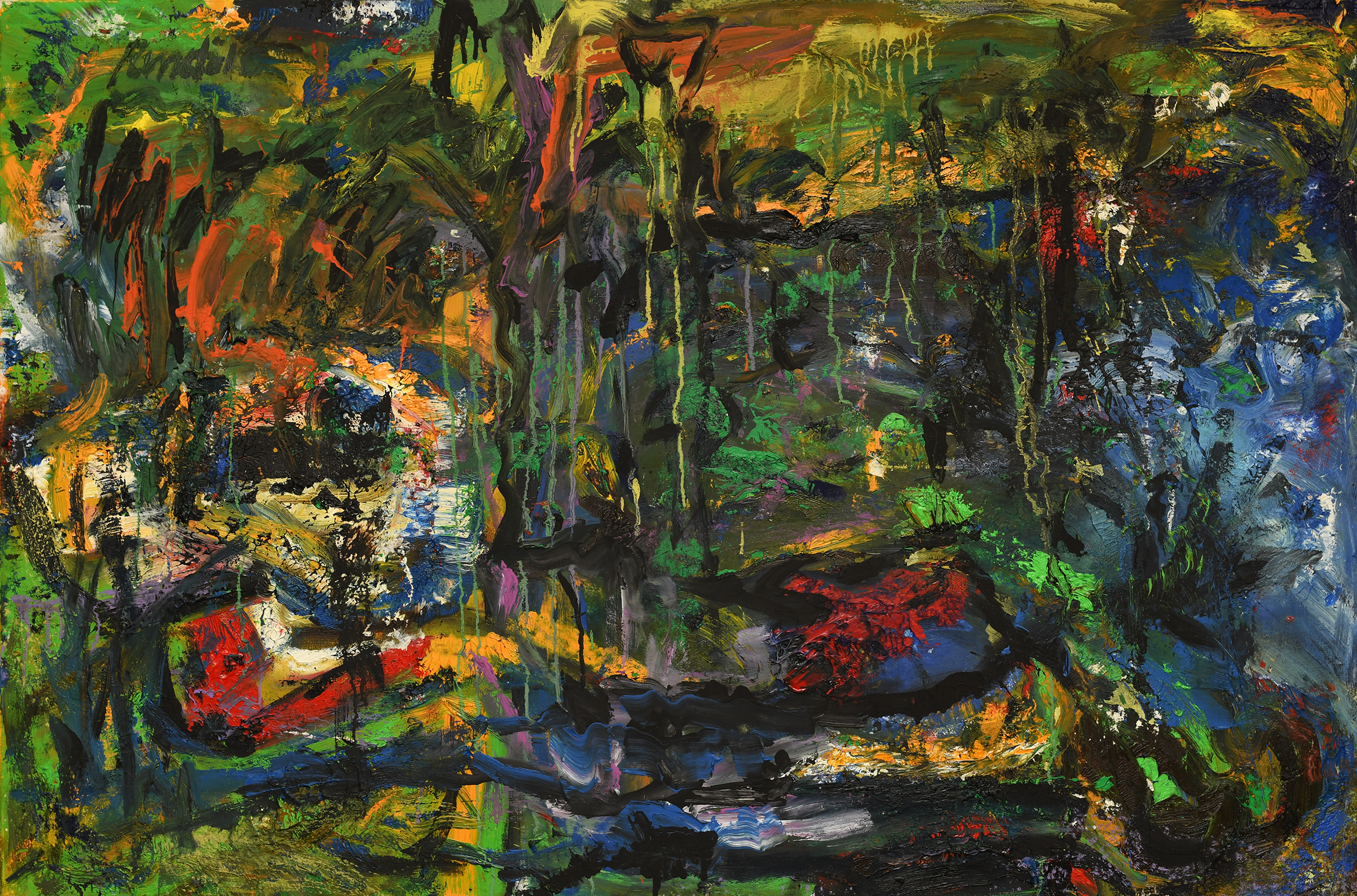
The Osijek artist Vladimir Pandžić expresses himself in the medium of painting, deconstructing various vocabularies. This is a rich post-modern oeuvre characterized by its eclecticism. Taking place is the serial production of paintings. The exhibition features works founded on abstraction or on a sensed figuration made abstract. They belong to the series Blues of Life (2025).
The artist is steeped in abstract expressionism. The calculated spontaneity of the vocabulary and the subconscious harmonize with each other. The marks on the canvas stage a metaphorical and vitalist abstraction. In painting as in adventure there is an energetic pointing to the heart of being. Encountering and facing up to the contemporary world is realized in the work as objectified spirit (Hegel). The spirit opens up as vital force that has opened to Being.
In Pandžić’s visual form blues implies entry into a depth of emotion. A harmony is established in the work, one of serious and dedicated everyday work. Like a poet of the classic blues, the painter makes a claim to have been set free of the state of sorrow and depression. Blues work songs become visual notations, spiritual compositions. The paintings are universal symbols and external survival in the spiritual. They have the following titles: Intimate reflections, Looks Immaculate, Apart from this Moment, Movement, After Sleep, Uncertain Tremors, Never Ordinary Moments, Airiness, Garden of Paradise, Silence On the Move, A Thousand Thoughts, Amidst a shifting field, Air, Blues of Life and Pure Beauty.
What is created with the freedom and limitlessness inherent in the work is an area elevated into the realm of the idea and its truth. The world of the picture is created in the play of representation; in heightened truth.
Contained in the series Blues of Life is the expression of an abstraction that hints of figuration. Abstract figuration presumes a modified and reduced depiction of the human being, of architecture, trees, landscape. Free form occurs, and the expression of the deformation of an iconic sign recognisable by association. There is acute description of an insight into the silence, from which to produce music on the canvas. No matter whether this is pure abstraction or whether there are hints of the figurative in it, feeling and thinking are always present. Consideration of the reflection of the spirit; abolition of temporality; notation of a state of vigilance and deep emotion; engraving of the thinking of the thinkable; consideration of air; expression of the special elements of life and so on. In Pandžić it is all linked in telling the story of everyday situations (as in blues music and in oral literature), entered meticulously and wisely and masterfully encoded.
Individuality emerges in a harmony in which universality is liberated. The autonomy of the artistic act presupposes autonomy in the world. Truth rests in the total devotion to work by which a simple process of movement with neither beginning nor end is mapped. Creation is inspired by the spirit. Consciousness is profound and refined, and the world of signs in which it is manifested is thereby the subtler. In his authentic personal style Vladimir Pandžić signals the universal zones in which scenes of the blues are staged powerfully but calmly.
BIOGRAPHY
Vladimir Pandžić was born in Zagreb in 1953. With a degree in painting from the Academy of Fine Arts in Sarajevo, he began to teach painting and drawing at the secondary school of textiles, applied art and design in Osijek. Currently he is retired. He won an Ex-Aequo prize for painting in 1994 at the Slavonia Biennial organised by the Fine Arts Museum in Osijek. He received a commendation at the 32nd Review of Croatian Film and Video Art in 2000 in Zadar for the performance Dying for art and love. He has shown his work at many individual and collective exhibitions at home and abroad. Vladimir Pandžić lives and works in Osijek.
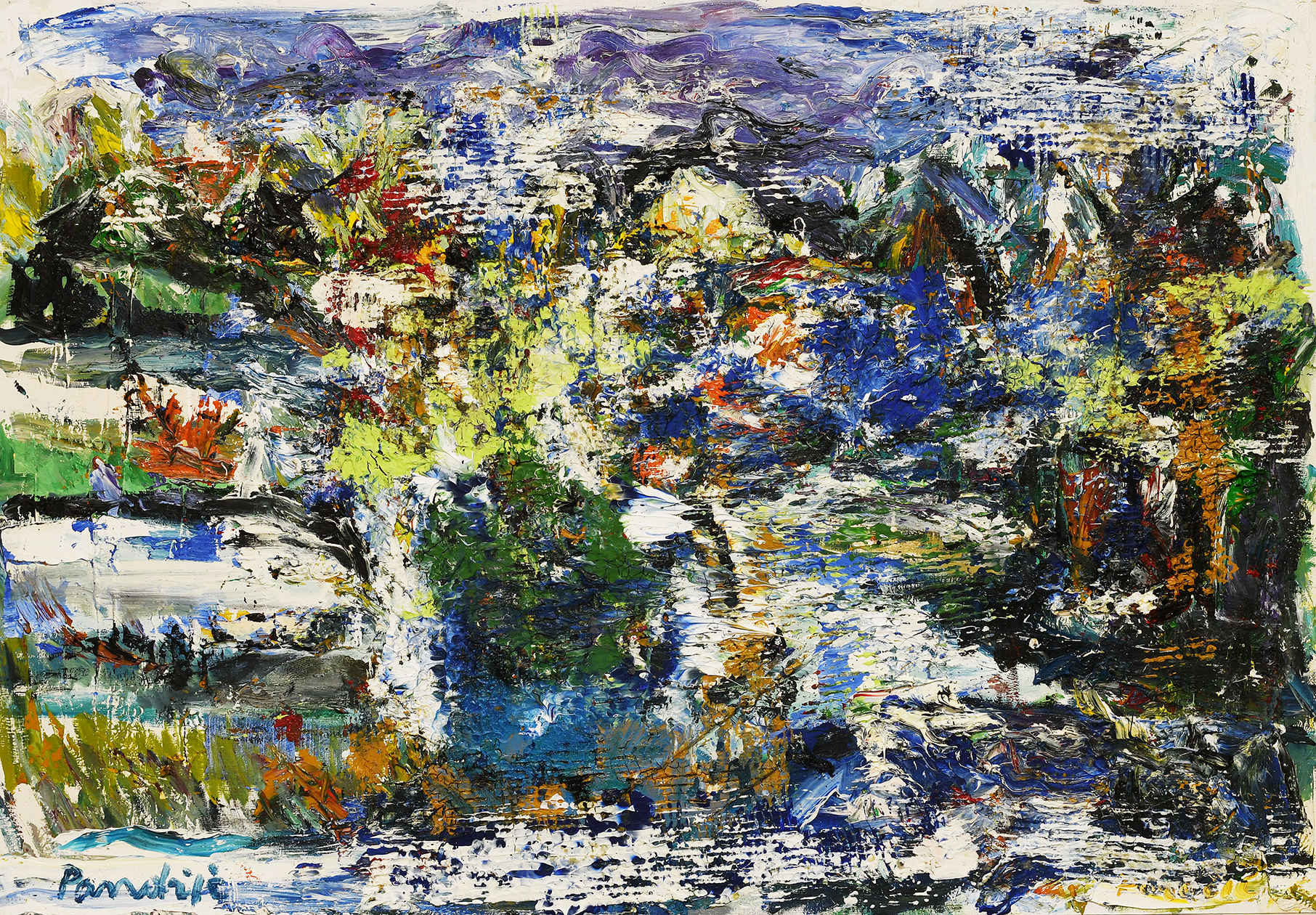
Zrak, 2025., ulje i akrilik na platnu
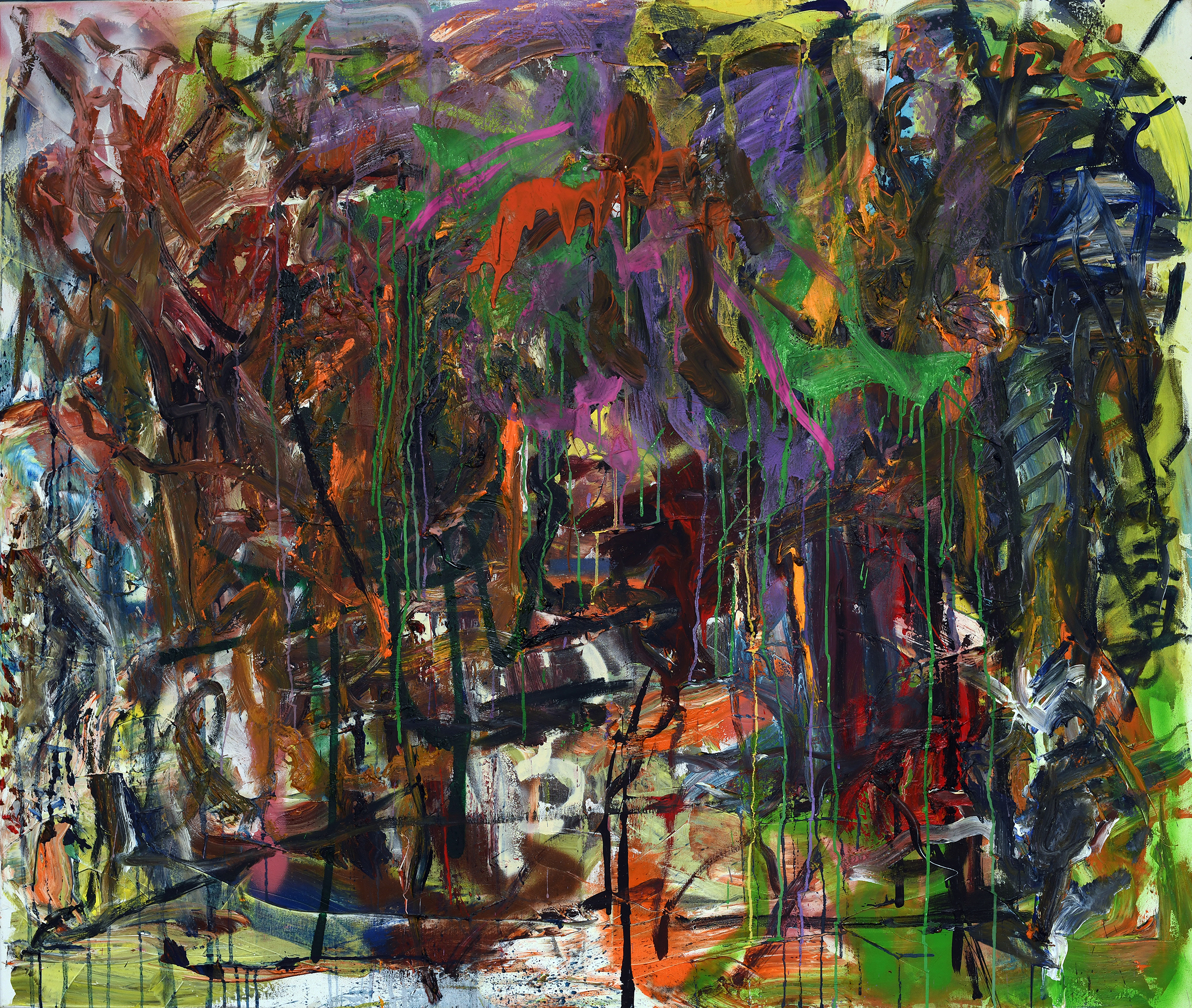
Tisuću misli, 2025., ulje i akrilik na platnu
.jpg)
Izgleda besprijekorno
Čista ljepota, 2025., ulje na platnu
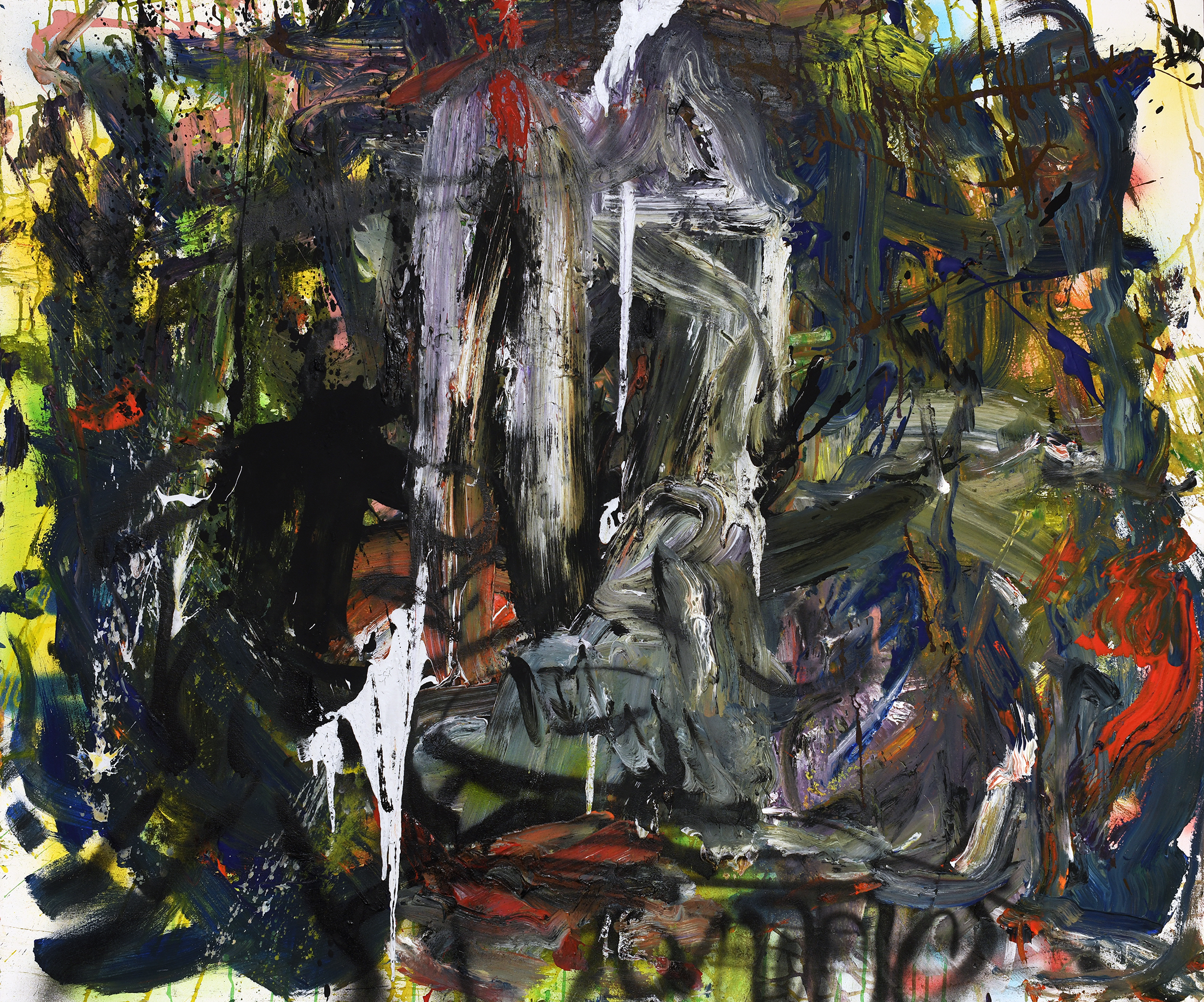
Blues života, 2025., ulje i akrilik na platnu
-----
The exhibition Mediterraneanism by Pavo Urban opened on Wednesday, 10 June at the Dulčić Masle Pulitika Gallery, organised jointly by the Museum of Arts and Crafts in Zagreb and the Museum of Modern Art Dubrovnik.
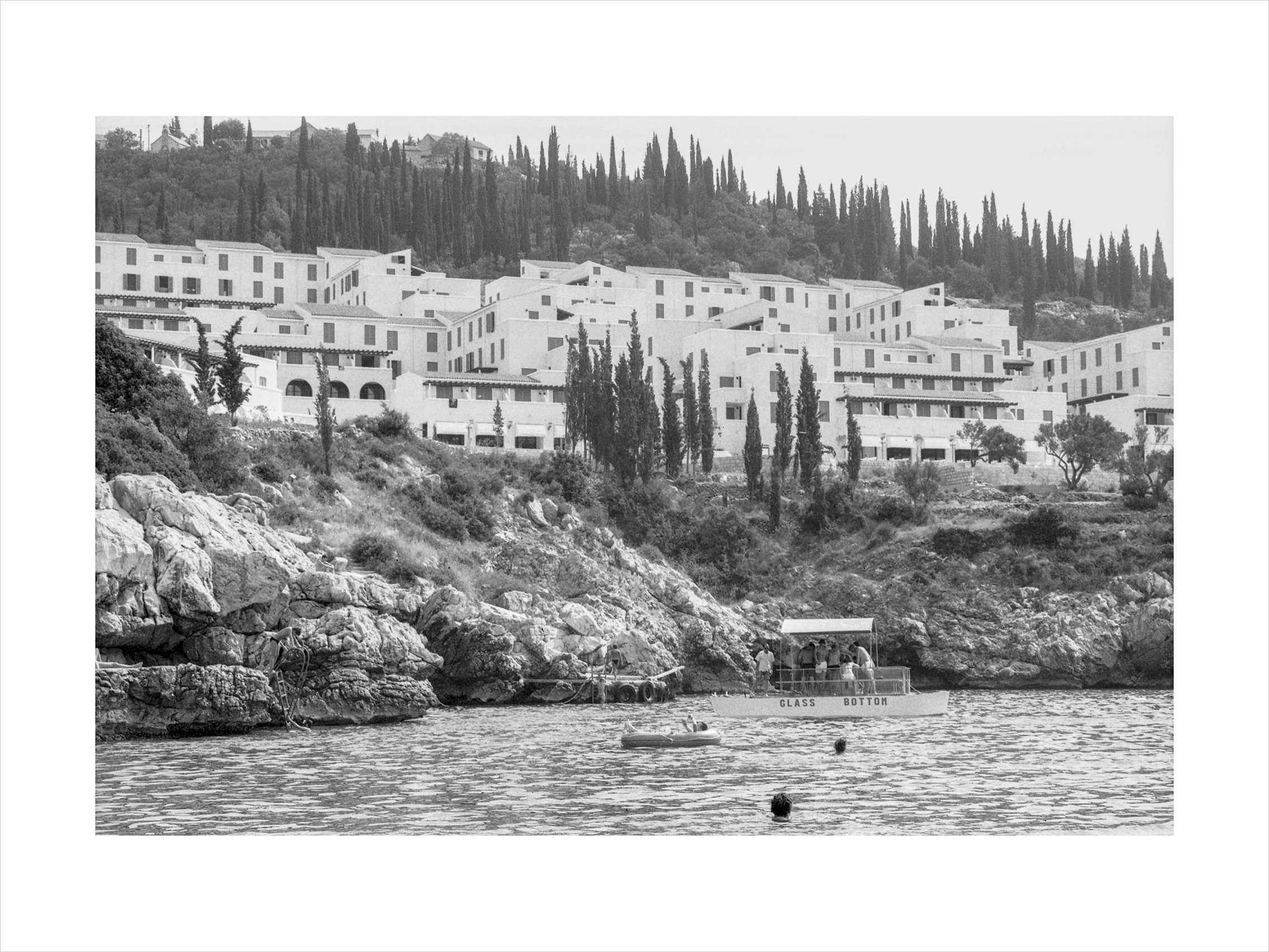
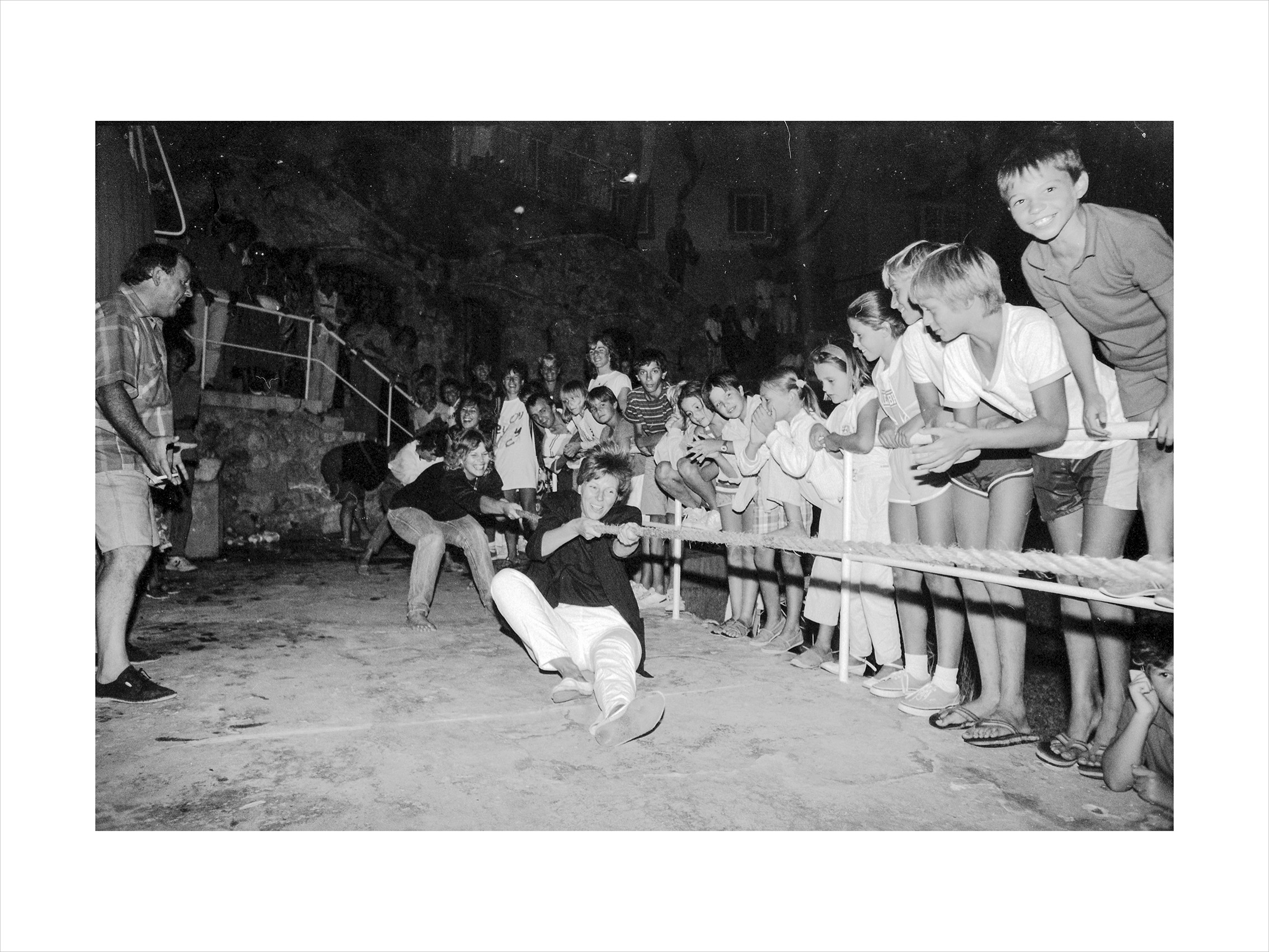
The exhibition sheds new light on the work of Pavo Urban, the Dubrovnik photographer best known for his devastating images of the city’s destruction in December 1991, and above all for the last photographs he took during the most intense assault on Dubrovnik on 6 December 1991, on the day the young twenty-three-year-old photographer lost his life. The Dubrovnik showing is the third iteration of the exhibition, following Zagreb and Pula, and holds a distinctly heightened emotional significance.
The exhibition’s author and curator, Mate Marić, emphasises that the show presents Urban as a Mediterranean artist. The focus is on photographs taken between 1985 and 1991, before he became a war photojournalist. These are scenes from his everyday life: people, faces, stone, light, sea, streets. A life Urban inhabited and understood from within. We are also introduced to ‘baba’ Nika and ‘nona’ Tea (baba and nona both mean grandmother in Croatian), in whose gestures, presence and gaze something deep and archetypally Mediterranean comes to the surface. The ‘Mediterranean’ reveals itself in small, recurring things: in the rhythm of the day, in one’s relationship to space and to people, in the way one sits, converses or falls silent. It is the Mediterranean as Predrag Matvejević and Vladimir Nazor have described it – complex, contradictory, yet unmistakeable. The Mediterranean is not a nation; it is a civilisational matrix, a thousand-year-old sediment of cultures, speaking in many languages. Pavo Urban spoke some of them.
On display at the Dulčić Masle Pulitika Gallery are 15 photographs taken in Urban’s immediate environment, in Dubrovnik and the surrounding area, with the exhibition also including several works made outside the Dubrovnik region. All the works originate from the Pavo Urban Study Collection, which comprises approximately 9,500 negatives covering the full arc of his photographic activity, from his earliest work to his final images of Dubrovnik’s wartime destruction, donated to the Museum of Arts and Crafts.
Each exhibited photograph is accompanied by a quotation from major Mediterranean writers and composers – ranging from Mahmoud Darwish and Marin Držić to Puccini and Drago Gervais.
The exhibition is curated for the Museum of Modern Art Dubrovnik by Dora Lučić. The photographs of Pavo Urban, a cult figure in Croatian photography and one of the symbols of wartime Dubrovnik, remain on display until 19 July 2026.
BIOGRAPHY
PAVO URBAN (1986 – 1991)
Pavo Urban was born in 1968 in Dubrovnik. He took up photography on his own, whilst still at secondary school. He was a member of the “Marin Getaldić” Photography Club, and in 1991 worked as the official photographer for the Marin Držić Theatre and the Dubrovnik Summer Festival. That same year, he documented the destruction of the city as a war reporter. He was killed on 6 December 1991, aged 23, whilst photographing the attack on Dubrovnik. His work is held in the Museum of Arts and Crafts in Zagreb and the Museum od Modern Art Dubrovnik.
Photo credits: works from the Pavo Urban Study Collection, Museum of Arts and Crafts.
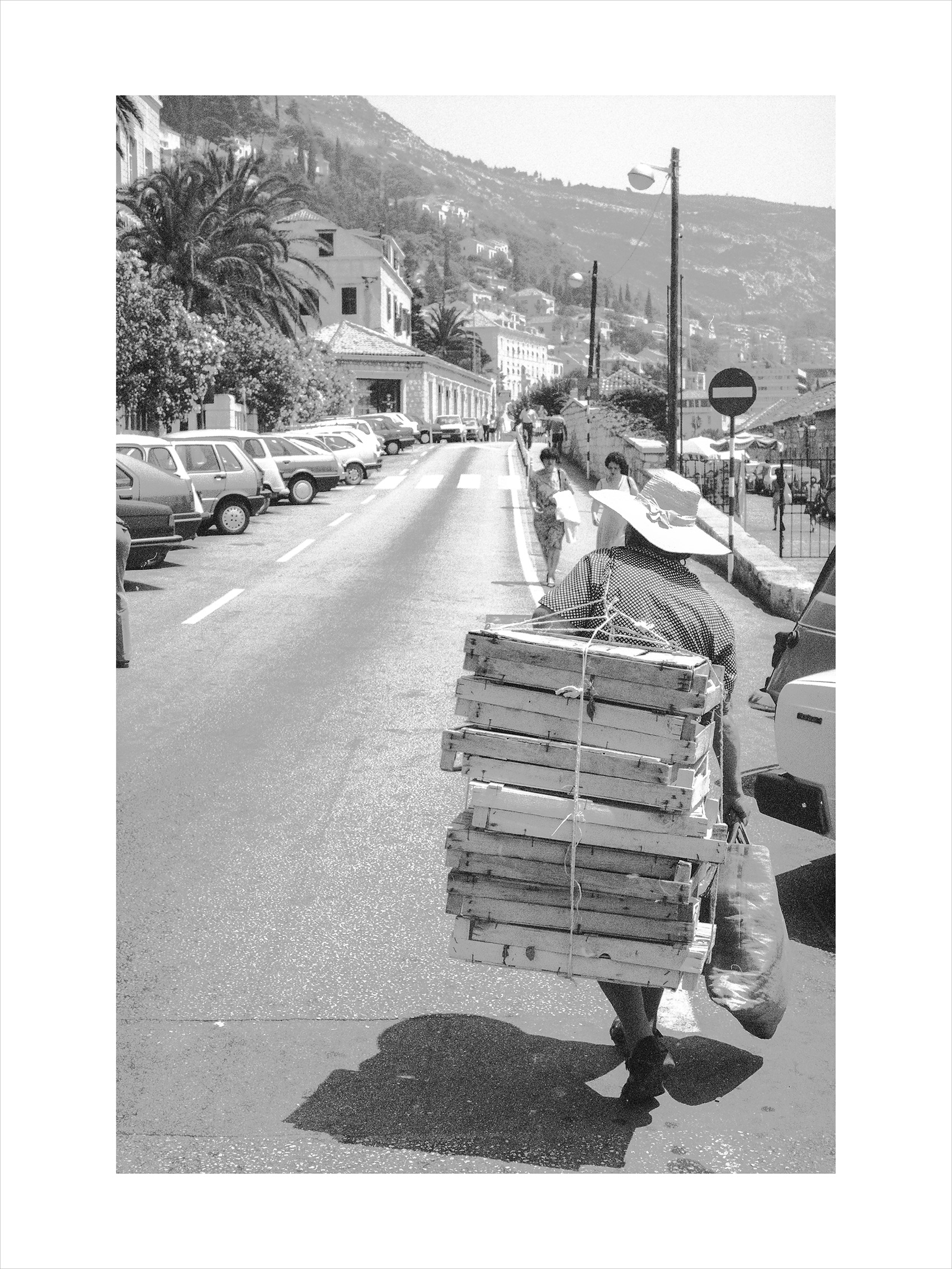
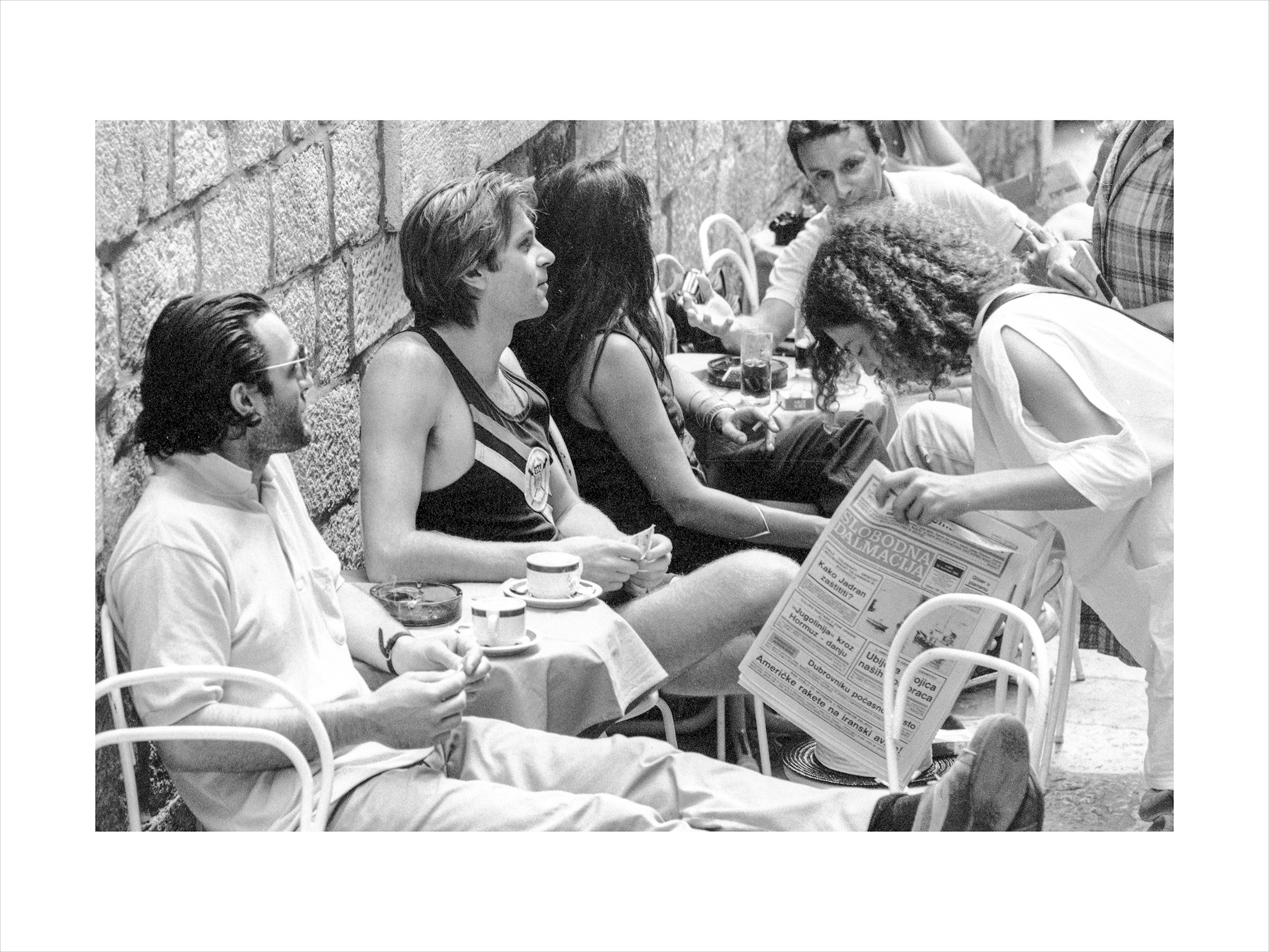
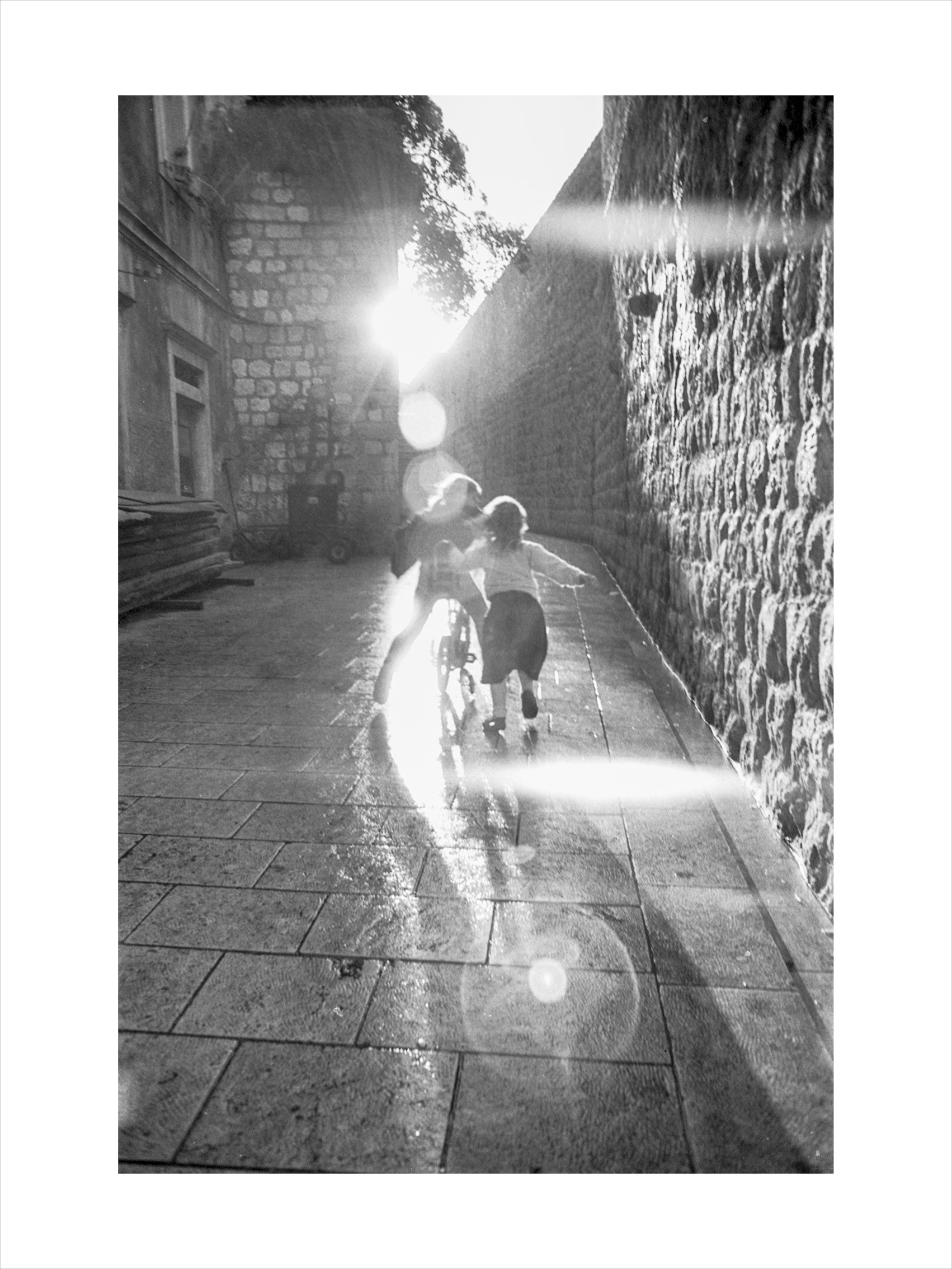
---
A LEAF IS A MAN WHO WALKS ON AIR – A TRIBUTE TO LUKO PALJETAK
12.5. – 31.5.2026.
Curator: Petra Golušić, Museum Adviser of the Museum of Modern Art Dubrovnik
The exhibition A leaf is a man who walks on air – a tribute to Luko Paljetak shows thirty four art prints. This portfolio of prints and poems published in honour of poet Luko Paljetak, and containing 17 poems and 34 art prints is edited and published by Božo Biškupič and has a foreword entitled A Tribute to Luko in Verse and Image written by Krešimir Nemec. The seventeen poets who provided poems for this poetry and print portfolio are Boris Domagoj Biletić, Ernest Fišer, Pavle Goranović, Marko Grčić, Natalija Vorobjova Hržić, Dražen Katunarić, Enes Kišević, Miroslav Mićanović, Emiko Miyashita, Elka Nyagolova, Boris A. Novak, Yuzo Ono, Božica Pažur, Sibila Petlevski, Ivan Rogić Nehajev, Drago Štambuk and Anka Žagar. It has been printed in 57 copies numbered with Arabic and seven with Roman numerals. Each example contains thirty-four art prints done in the techniques of dry point, etching, aquatint, linocut, woodcut and photoprint by the artists Nevenka Arbanas, Gordane Bakić, Tomislav Buntak, Mario Čaušić, Edvin Dragičević, Maja S. Franković, Svjetlan Junaković, Tihana Karlović, Zlatko Keser, Jure Kokeza, Igor Konjušak, Koraljka Kovač, Gordana Kovačić, Tihomir Lončar, Slaven Macolić, Mario Matoković, Duje Medić, Jožica Medle, Matko Mijić, Janko Orač, Frane Paro, Lukša Peko, Dimitrije Popović, Ivo Posavec, Zdenka Pozaić, Siniša Reberski, Tin Samaržija, Ana Sladetić Šabić, Miran Šabić, Ivica Šiško, Josip Škrelj, Zlatan Vrkljan, Josip Zanki, and Marko Živković.
The prints have been impressed on 300g Hahnemühle Bütten paper, format 391 x 267 mm. The texts were printed at the Printera press in Sveta Nedjelja, while the art prints were pulled in the studios of the artists.
LUKO PALJETAK
Luko Paljetak, a Croatian writer and translator (Dubrovnik, August 19 – Dubrovnik, May 12, 2024), graduated from the Faculty of Humanities and Social Sciences in Zadar and took his doctorate in 1992 at the Faculty of Humanities and Social Sciences in Zagreb, He worked in Zadar as dramaturge and director in the Marionette Theatre and as instructor in the Faculty of Humanities and Social Sciences, also editing the periodical Zadarska revija. From 1978 he lived in Dubrovnik, where he was editor of the periodical Dubrovnik. From 1997 he was a fellow of the Croatian Academy of Sciences and Arts.
Paljetak was one of the most prolific contemporary Croatian writers, having had over 150 books printed up to 2019. He published some forty collections of poems, a dozen collections of poems for children, half a score of print and poetry portfolios, two novels. He also wrote dramas, radio dramas, tales for children, plays to be performed by children or puppets, haiku, columns, theatre reviews, studies in literary history and the puppet theatre.
In his first two collections of poems (The Unclean One from the Rose, 1968; The Nearest End of the World, 1968) he outlined the bases of his poetic practice, to which he would adhere in the whole of his poetic work. His point of departure was the overall poetization of the world, hyperbolic treatment of details and consummate skill in versification. The playful collection Dice for an Old Lady (1975) gives us an ironic and humorous move away from poetic directness. A kind of peak in the melding of tradition and modernity is to be found in the collections Poems in the Dubrovnik Manner (1984), Sandosten Forte (1987) and A Singer Sewing Machine in the Snow (1994). Showcased in the first is his knowledge of the language of old Dubrovnik, supplemented with new meanings, playfulness, combinatorics and a dialogue with old Croatian literature, the main characteristics of his creative work. Paljetak’s lyrical philosophy derives from the idea that everything is instinct in everything and that creation inheres in the rearrangement of the phenomenal, the fictional and the thought. A technical and thematic mannerist, he often uses classic forms, most often the sextain and the fourteener, as well as couplet, sonnet and crown of sonnets (Patient Staircase, 2001). Paljetak’s distinctive originality in the context of contemporary verse is to be seen in his fusion of formal and rhyming verse and traditional metrical patterns with contemporary themes and motifs, in a post-modern blend of tradition and modernity. He remained true to the theme of Dubrovnik history in his novels, The Hidden Garden (2004), a fictional diary of the Dubrovnik noblewoman Cvijeta Zuzorić, and Marin (2001), a biographic novel about the playwright Marin Držić. He was also a prolific translator: from English (William Blake, Roald Dahl, Derek Walcott, Oscar Wilde), French (Antoine de Saint-Exupéry), Spanish (Federico García Lorca, Pablo Neruda), Slovenian (France Prešeren), Italian, and Russian. His translation chef d’oeuvre is the second Croatian translation of James Joyce’s Ulysses (1991), along with poetic versions of Shakespeare’s Sonnets (1984), Geoffrey Chaucer’s The Canterbury Tales (1986), and the English Romantic poets (Anthology of English Romantic Poetry, 1996). Literary scholar and historian, he also ventured into translation theory and practice as well as interpretations, textual analyses and studies of Croatian and English literature (English Themes, 1997; Croatian Themes, 1999; Assembling Orpheus, 2005; The Inner Edge, 2007; The Outer Edge, 2007), with particular attention to the literary and artistic traditions of Dubrovnik. He was the recipient of the Goran Wreath Prize for the whole of his poetic oeuvre (1995) and the Vladimir Nazor Lifetime Achievement Award. https://www.enciklopedija.hr/
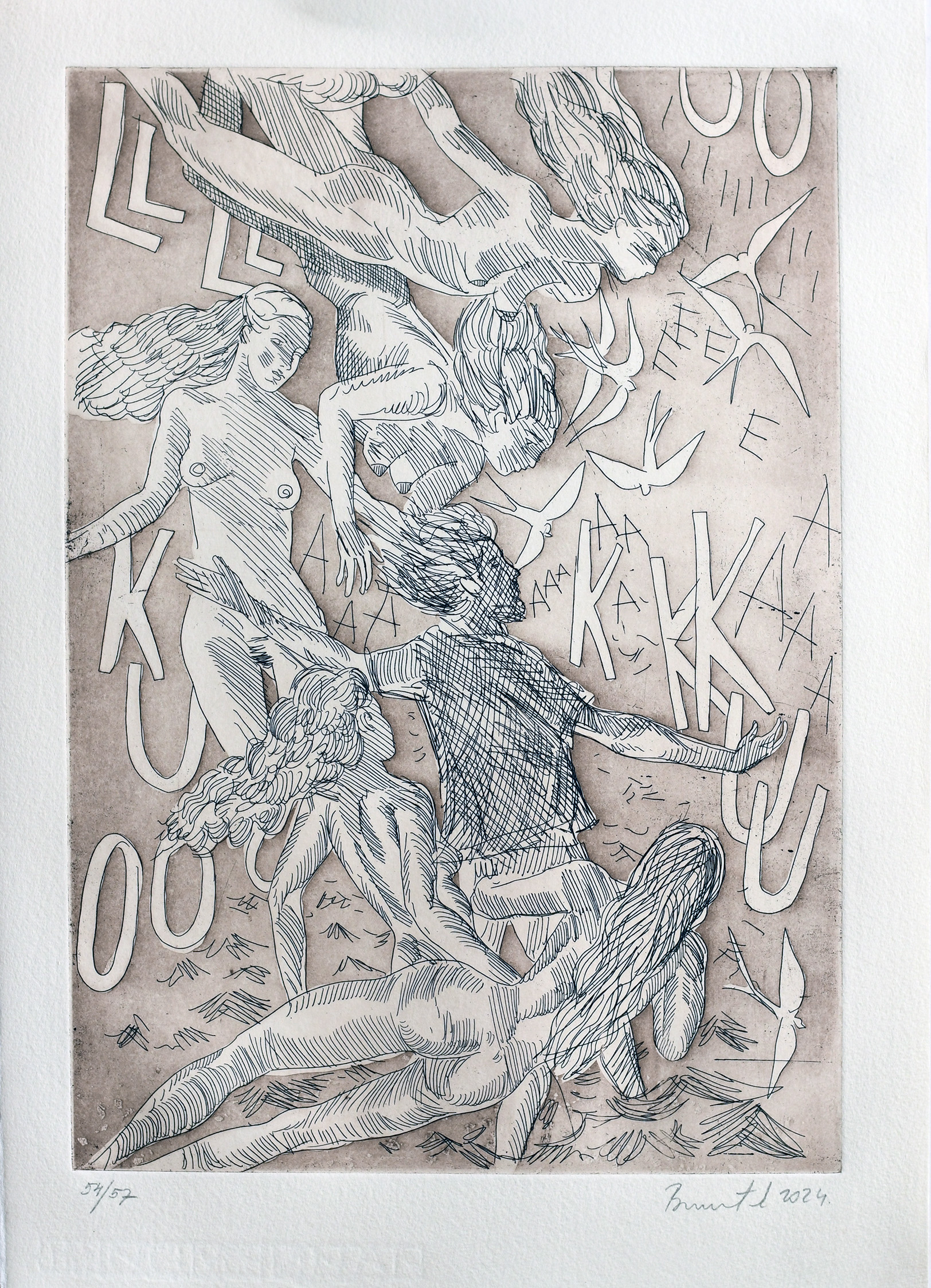
Tomislav Buntak
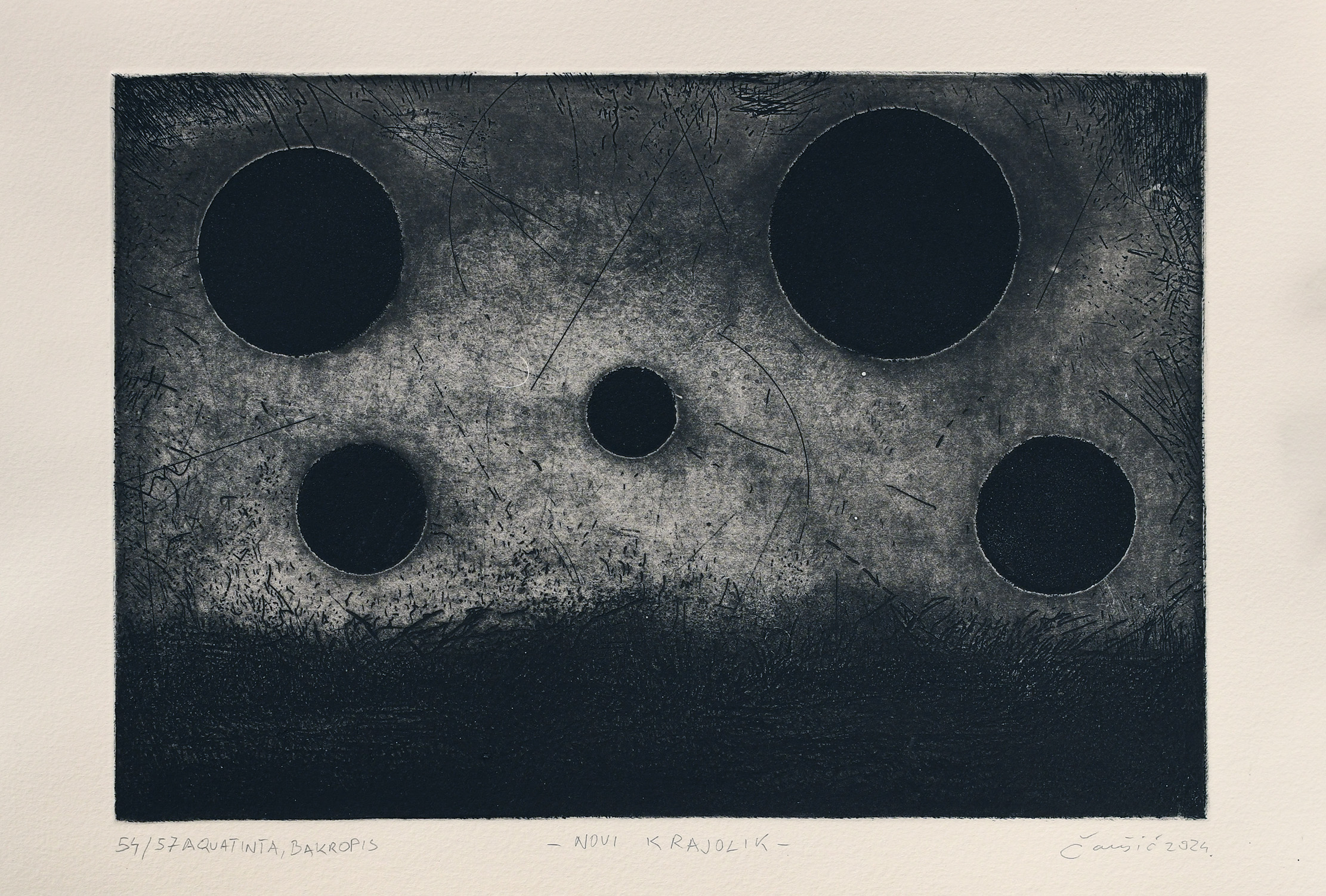
Tomislav Causic
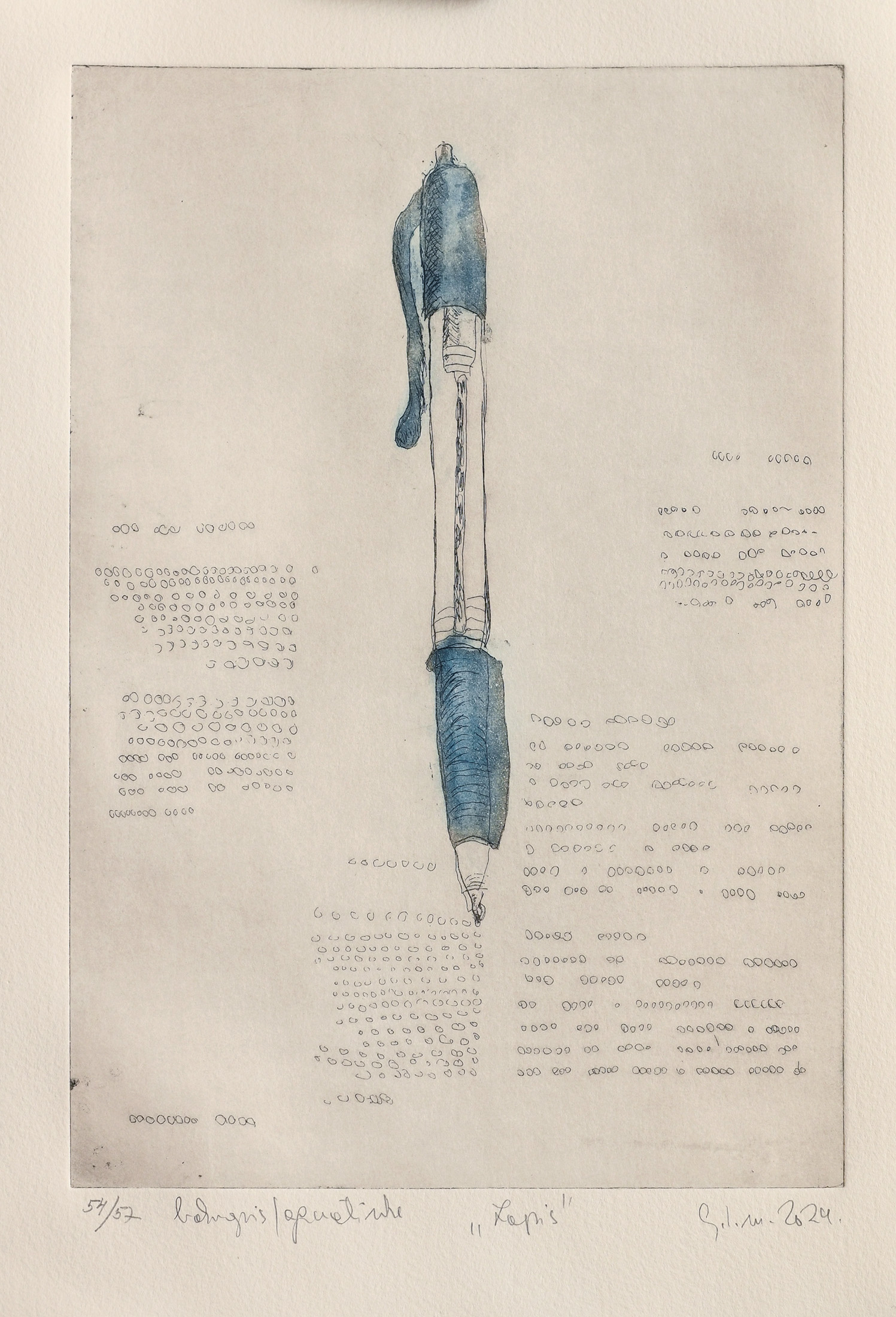
Gordana Kovačić
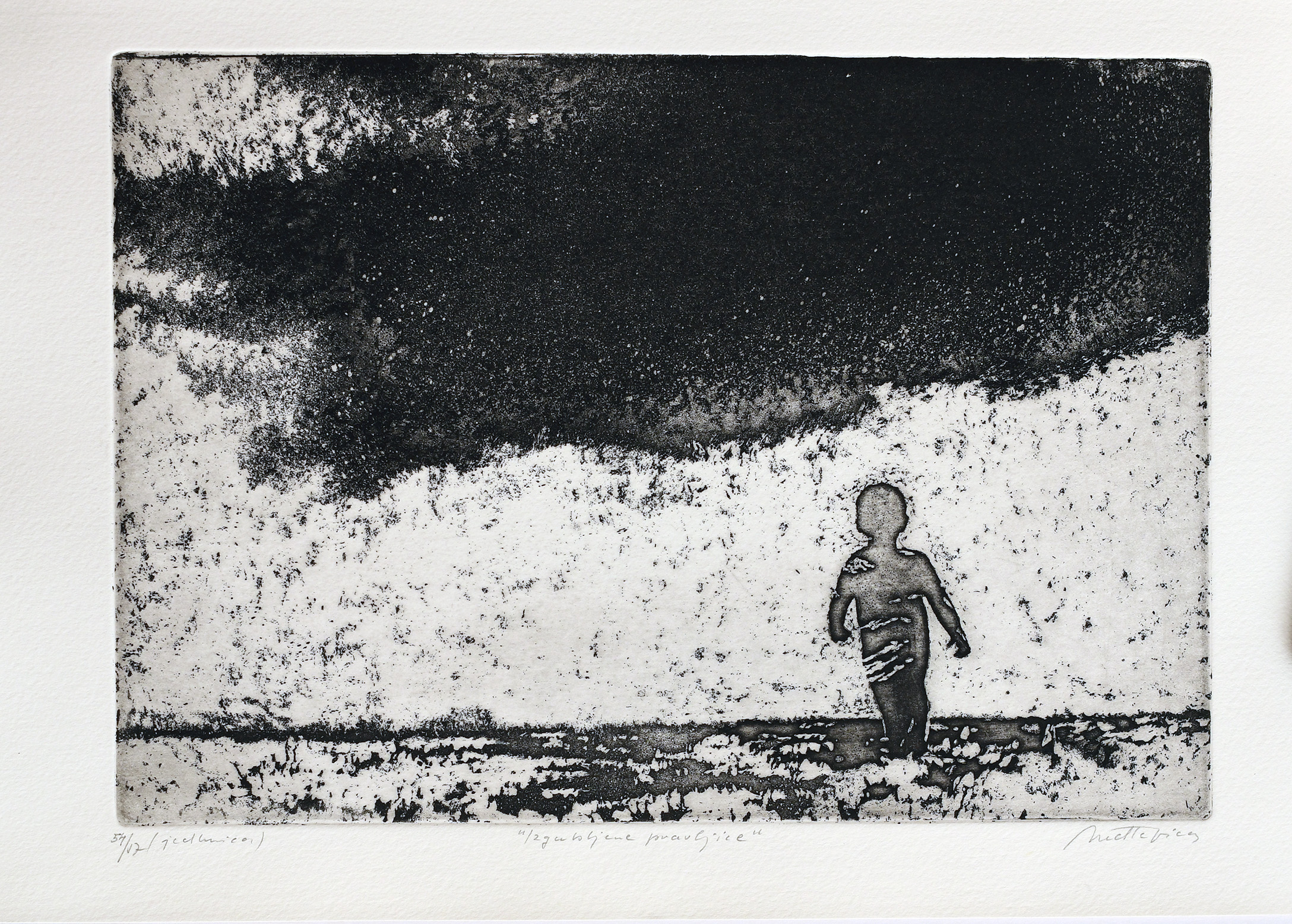
Jozica Medle
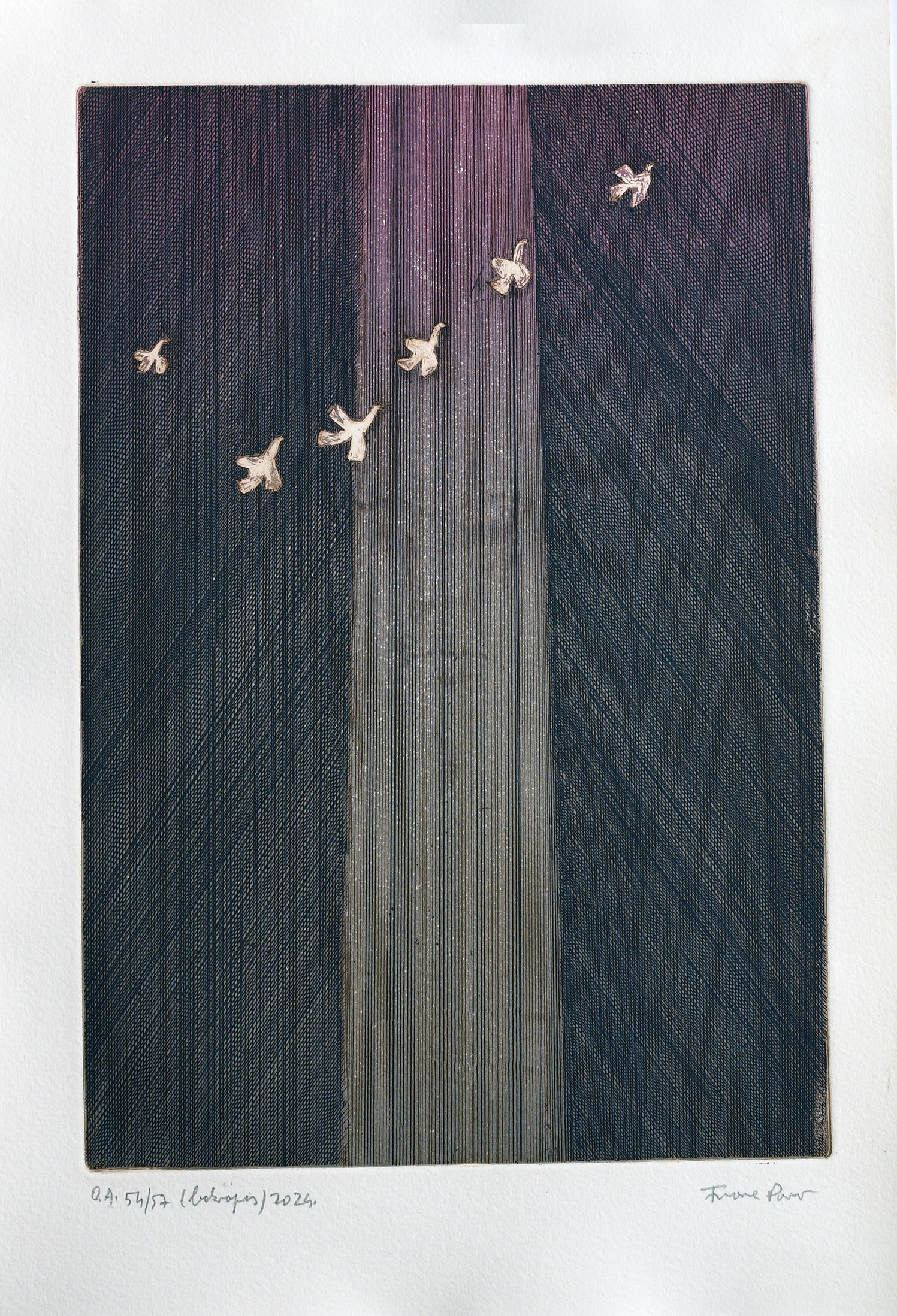
Frane Paro
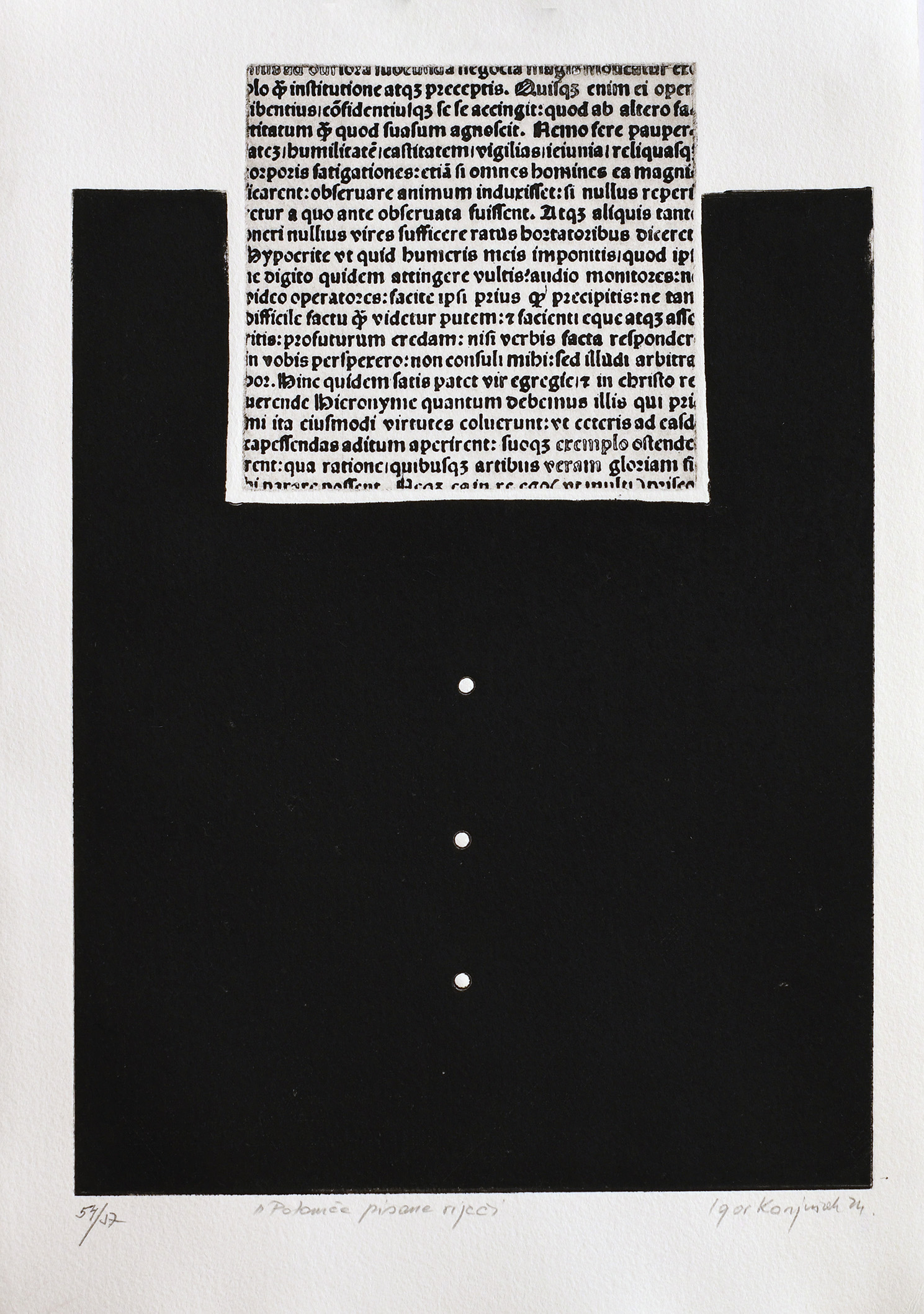
Igor Konjusak
WOMAN ARTISTS OF THE CONTEMPORARY DUBROVNIK SCENE
from the MOMAD collection
27.3. - 7.5.2026.
Curators: Petra Golušić and Rozana Vojvoda, Museum Advisors of the Museum of Modern Art Dubrovnik
The Dulčić Masle Pulitika Gallery is currently hosting the exhibition “Women Artists of the Dubrovnik Contemporary Scene”. Staged as part of the presentation of the Dubrovnik Museum of Modern Art’s rich collection, it brings together works by eleven contemporary women artists from Dubrovnik, acquired for the collection through donations and acquisitions over the past ten or so years.
The featured women artists are: Katarina Alamat Kusijanović, Mara Bratoš, Ivana Dražić Selmani, Tina Gverović, Ivana Jelavić, Ana Opalić, Ivana Pegan, Ana Požar Piplica, Ivona Šimunović, Ivona Vlašić i Anabel Zanze.
What unites these contemporary Dubrovnik women artists is a critically engaged view of reality, recurring references to Dubrovnik’s physical and cultural space, a predilection for video, photography, installation and performance, and an analytical examination of their chosen media. At the same time, the Dubrovnik contemporary scene includes women artists whose work demonstrates the continuity and vitality of classical media, most notably painting. Several of the presented artists no longer reside in Dubrovnik; nonetheless, their belonging to its contemporary scene during their formative years has significantly shaped their poetics. The works on display explore a broad spectrum of themes: from the universal category of “time” to the interrogation of identity constructs and the roles of mother and woman, and the experience of travel and displacement. References to the Dubrovnik environment are frequent, laden with multiple layers of meaning, and in certain works lucid interpretations of selected segments of Croatian contemporary art come to the fore.
The exhibition is curated by Petra Golušić and Rozana Vojvoda, museum advisors at the Museum of Modern Art Dubrovnik. The exhibition remains on view until 7 May 2026.
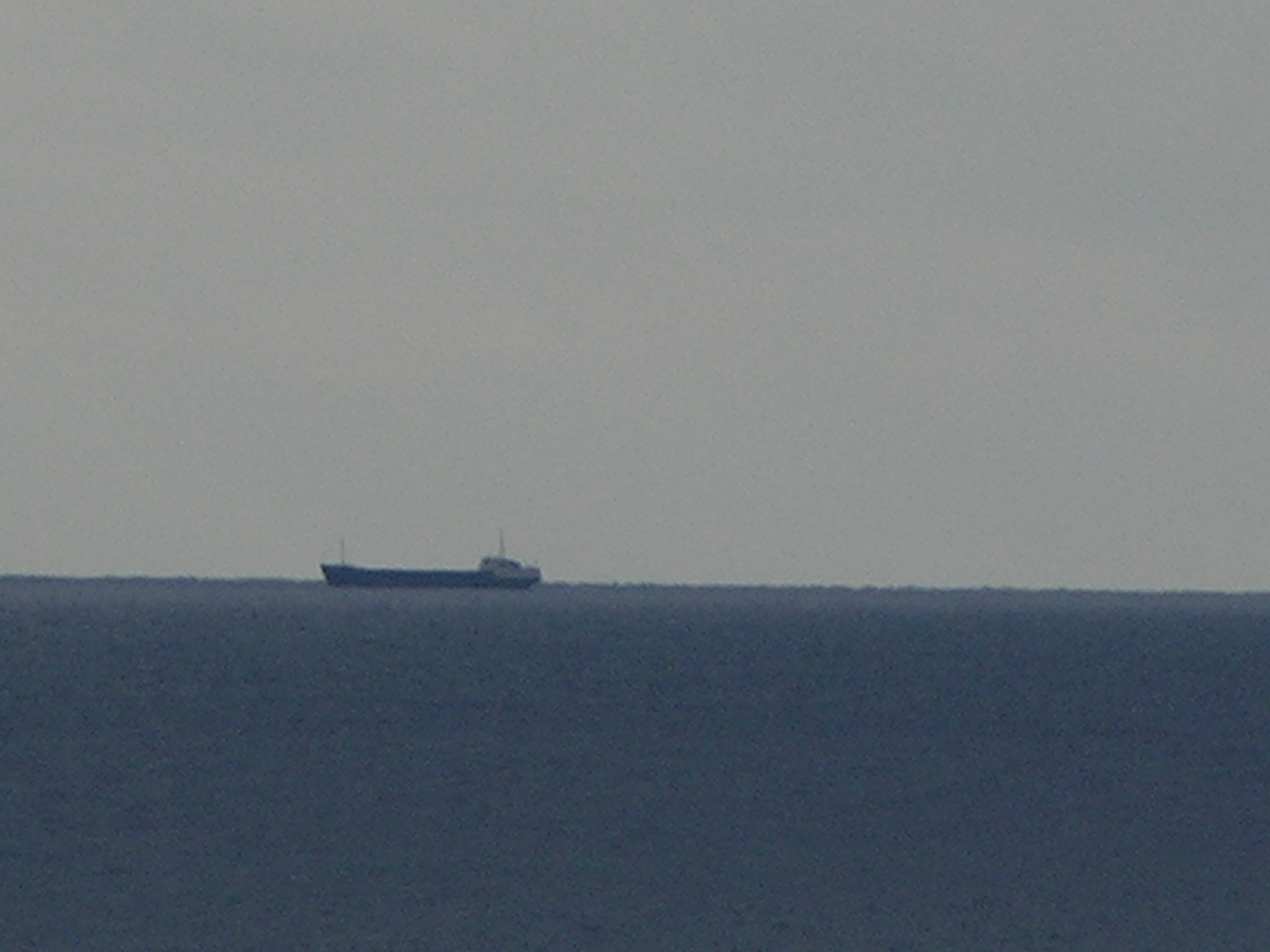
Ivona Vlašić, Negdje između, 2010.
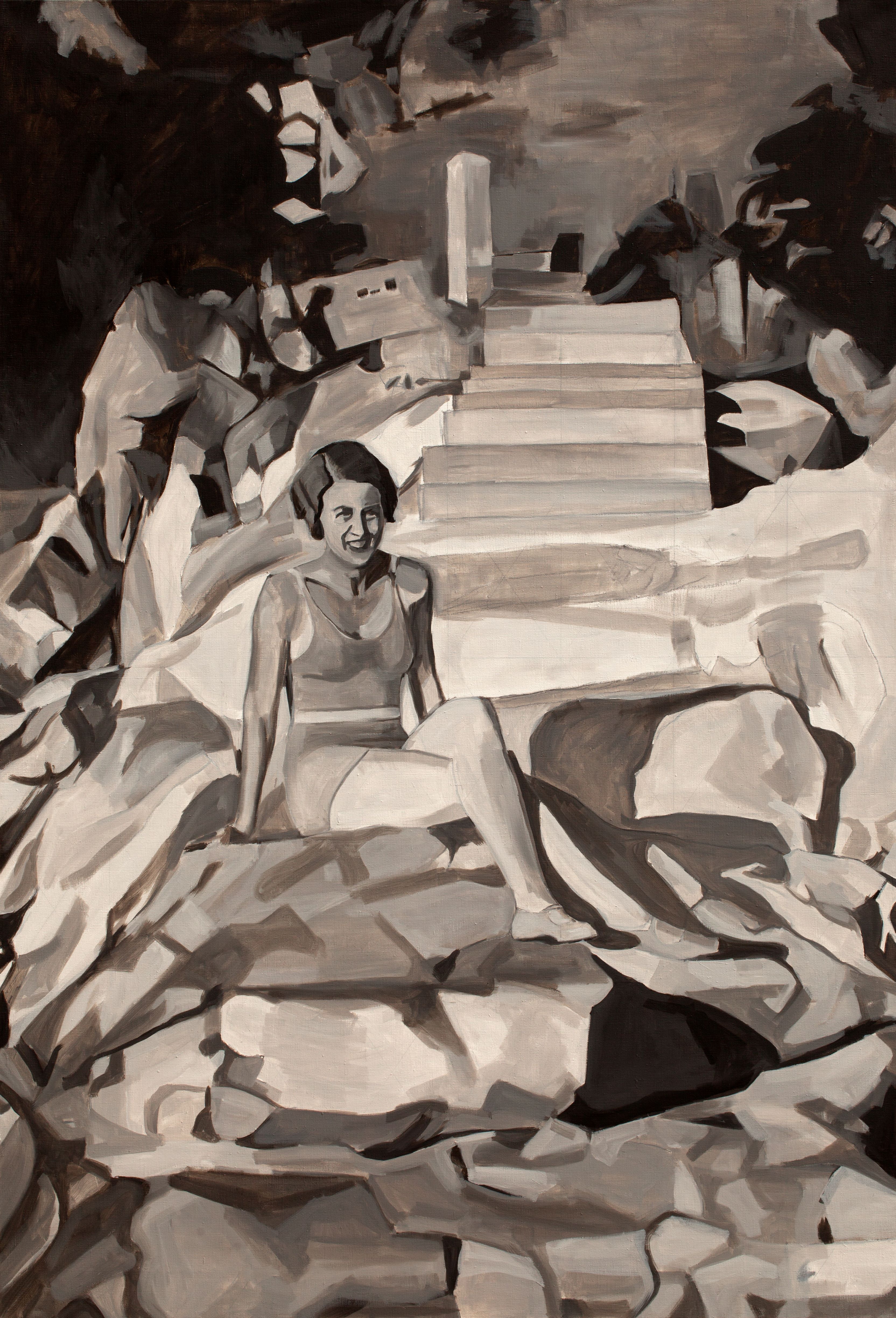
Ivana Dražić Selmani, Bella Vista, 2016.
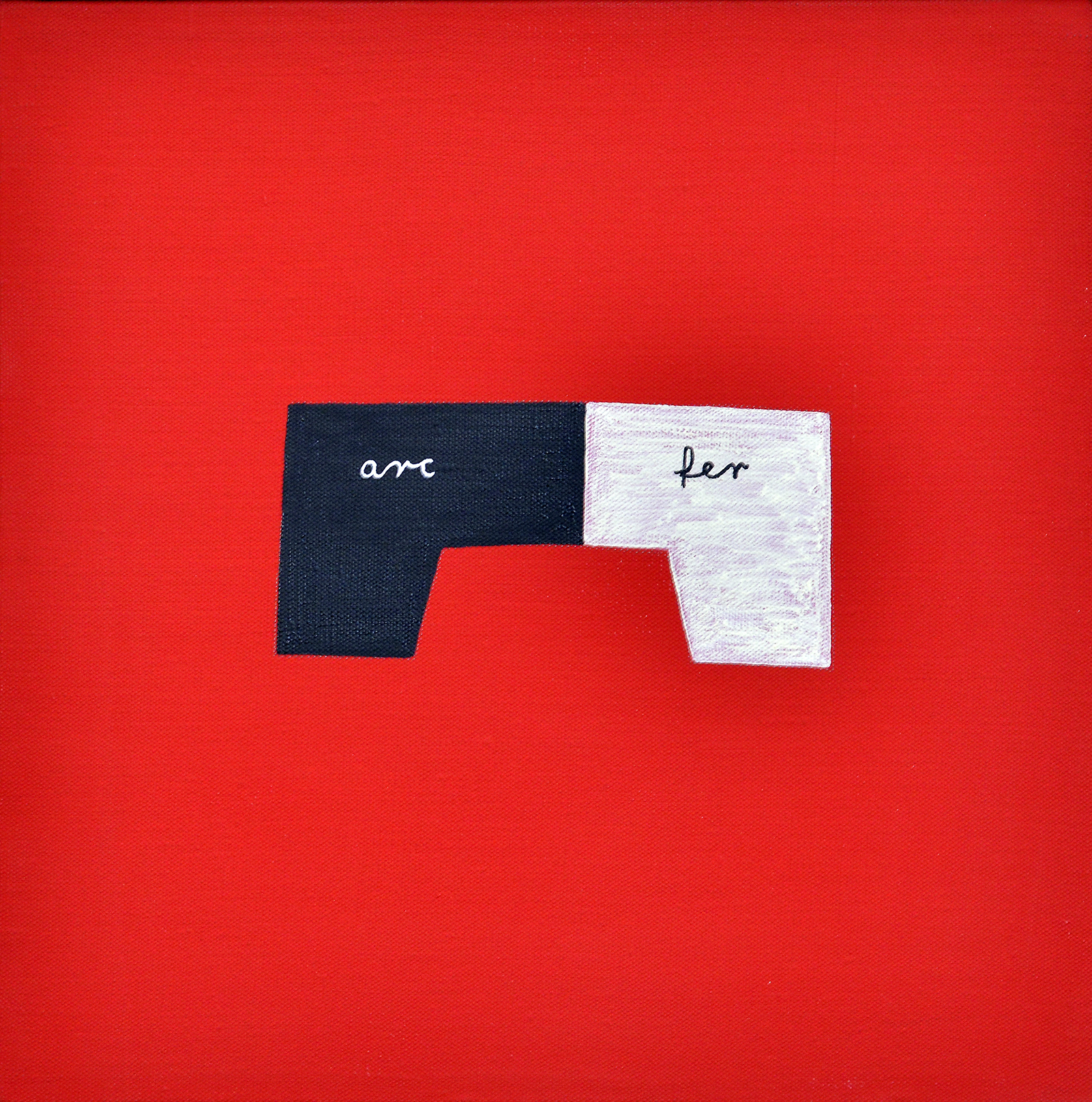
Anabel Zanze, arc fer, 2016.
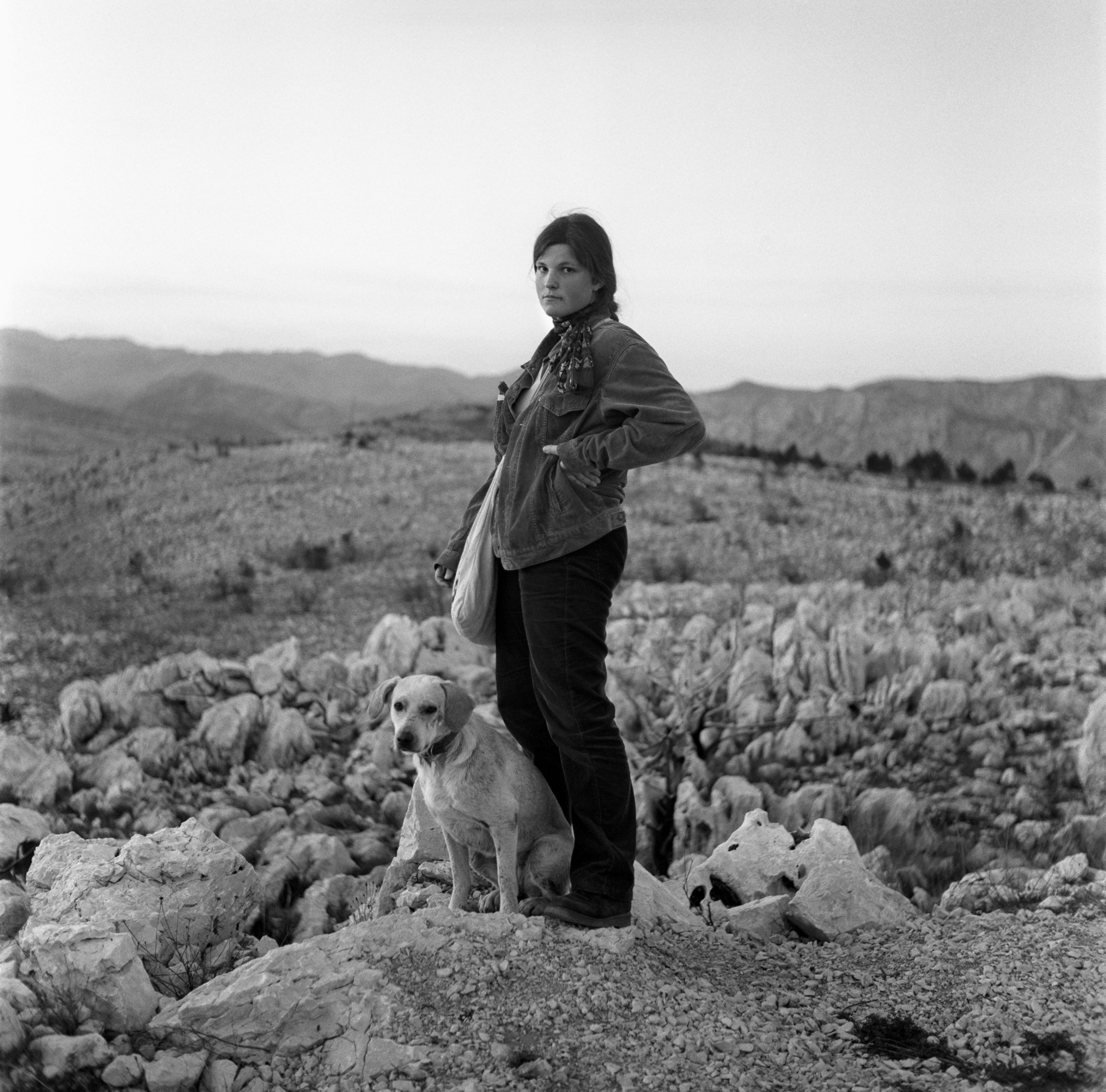
Ana Opalić, Kate i Malica, Srđ, proljeće, 1998..jpg
MLADEN TUDOR: PHOTOGRAPHS
From the Collection of the Museum of Modern Art Dubrovnik
December 2025 to February 2026
Curator: Rozana Vojvoda, Museum Adviser of the Museum of Modern Art Dubrovnik
The exhibition Mladen Tudor: Photographs from the Collection of the Museum of Modern Art Dubrovnik shows twenty-five anthological photographs of Mladen Tudor spanning the period from the 1950s to the 1980s. The photographs entered the collection in two separate acquisitions, in 2007 and in 2012, thanks to the generosity of the artist himself.
The poetics of Mladen Tudor is close to that of the artists of the Magnum photographic agency, particularly of Henri Cartier-Bresson, who brought into photography the idea of the decisive moment, the search for the special, condensed instant that distils the essence of the scene, its information and its individual story. In his classic photographs Mladen Tudor empathetically records people in all the diversity of their situations, be they socially aware and melancholic scenes like the brief breather of factory workers, people on bikes on their way to work, the homecoming of guest workers at the railway station or poetic scenes in which he animates the small-town or rural quotidian with some remarkable, poignant and sometimes laughable moment. The acute eye of the photographer that will, by virtue of adroit framing and profound empathy, make a human angel out of an old peasant and two geese in the background will also not refrain from registering examples of human hypocrisy and arrogance. Unfailingly interested in humankind, with a particular sensitivity for images of the old and of children, in his photographs Mladen Tudor depicts life in its plenitude and its frequent tragic beauty. The curator of the exhibition is Rozana Vojvoda, museum adviser at the Museum of Modern Art Dubrovnik, and the exhibition will remain open to the end of February 2026. Visitors can also watch a short film about Mladen Tudor from the series “Photography in Croatia,” produced by Croatian Radiotelevision.
Biography
The Croatian photographer Mladen Tudor (Split, 1935 – Zagreb, 2022) worked as a photojournalist for various newspapers and magazines in Zagreb, bringing in from the field works that were layered documents of their time that went far beyond the demands of press illustration. He was born in Split in 1935, but in 1942 the Tudor family moved to Zagreb. Mladen enrolled in the School of Applied Arts in 1951 and graduated from the photography department in 1955. From 1957 he was permanently employed at Vjesnik, where he produced photo-reportages for Vjesnik u srijedu, Globus, and later Start. In 1974 he left full-time employment and turned to freelance work. Inspired at the beginning of his career by the ethos of Italian neo-realism, by the Edward Steichen exhibition Family of Man and by the photojournalism of Magnum, in particular by the art of Henri Cartier-Bresson, Tudor achieved an exceptional and original oeuvre, with works of canonical importance.
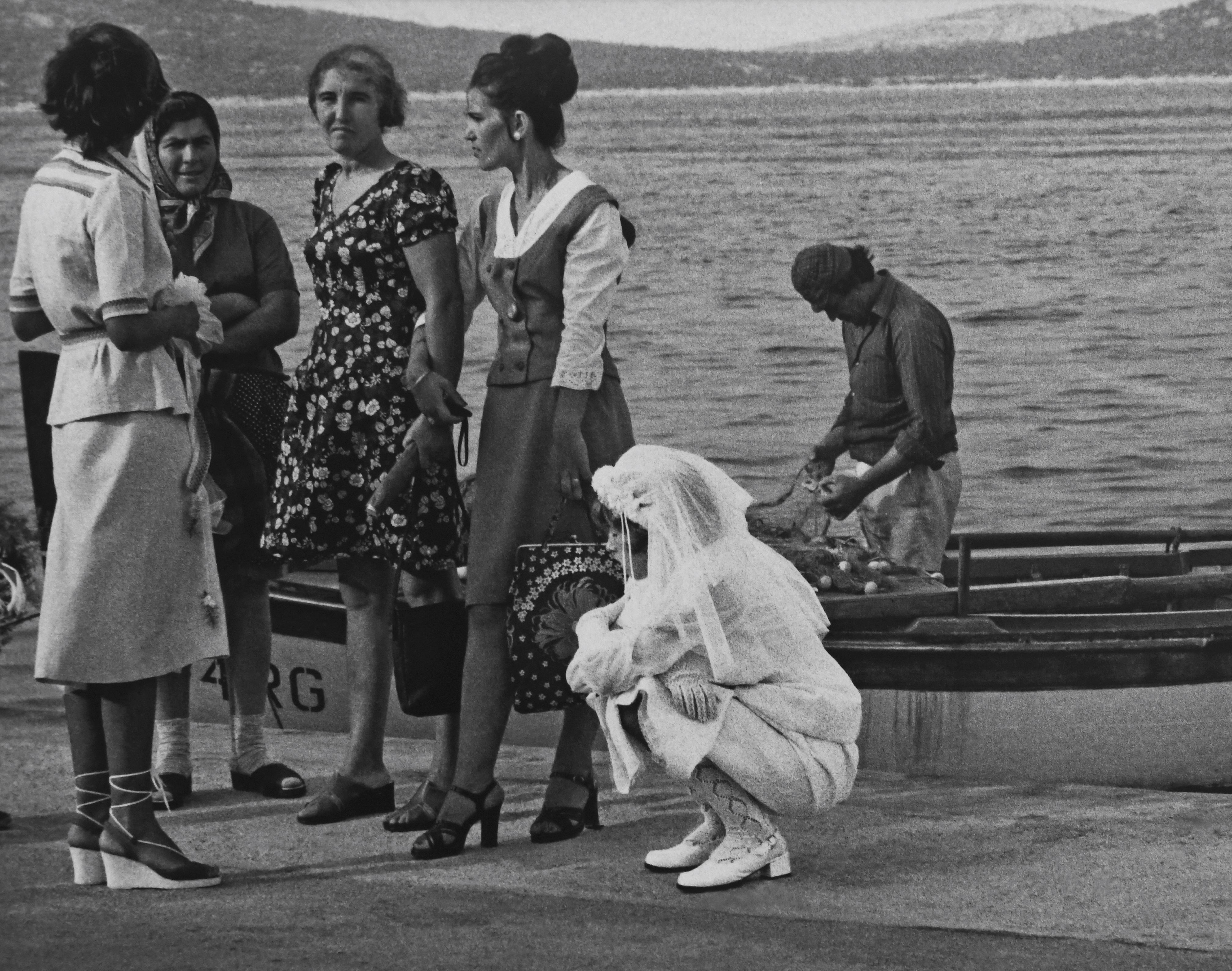
Mladen Tudor, Rogoznica 1977
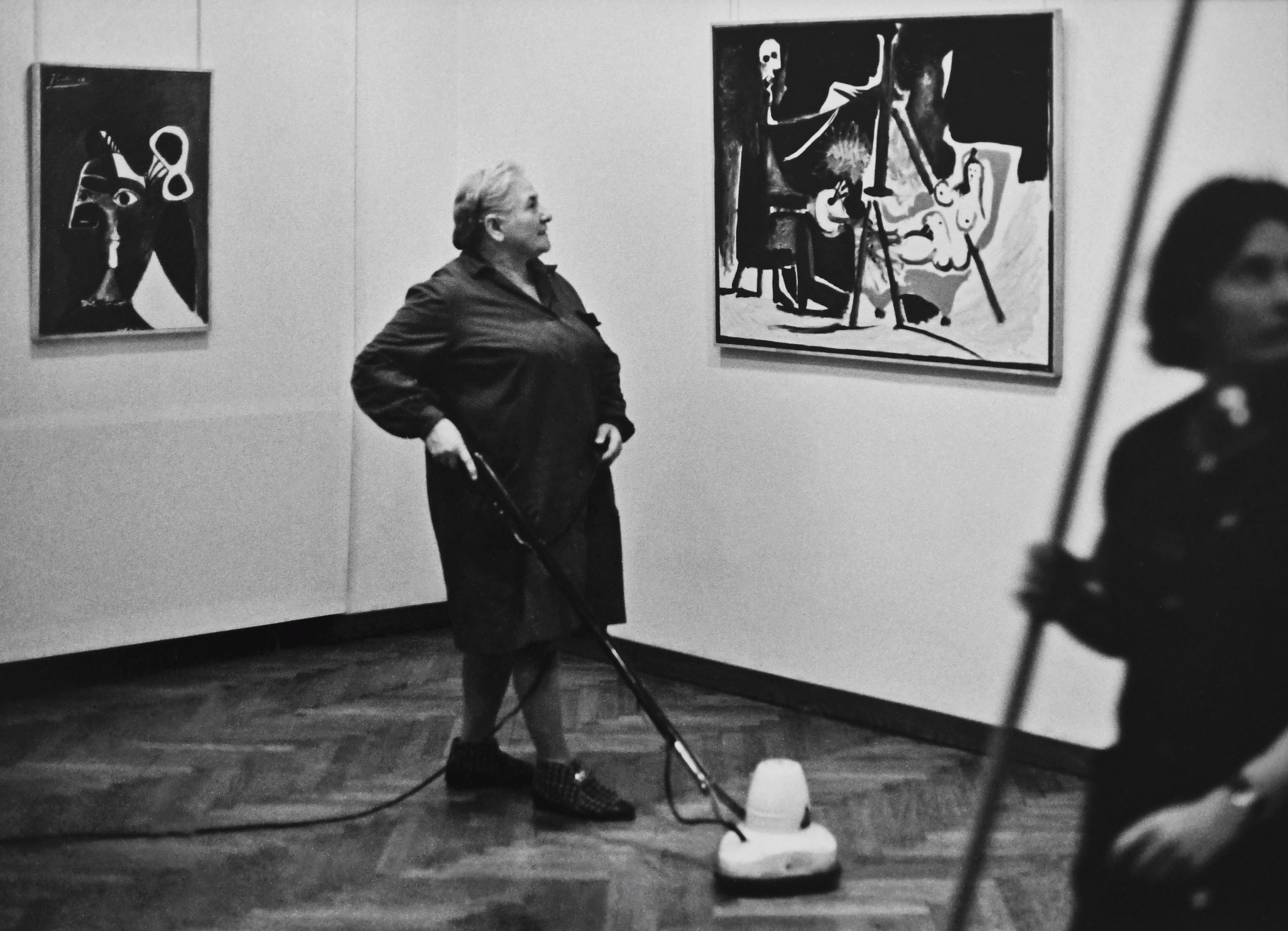
Mladen Tudor, Zagreb, 1967.
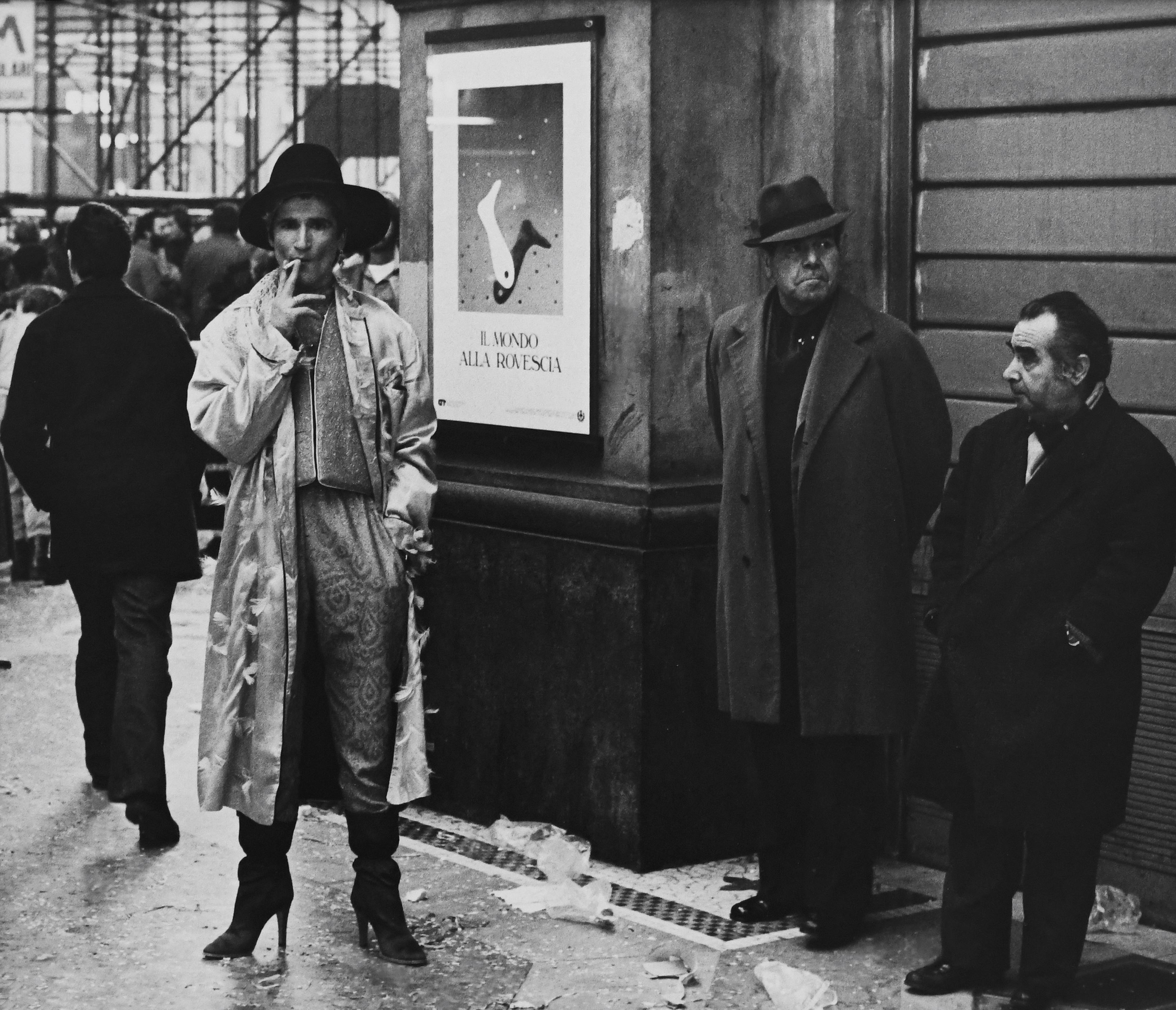
Mladen Tudor, Milano, 1981.
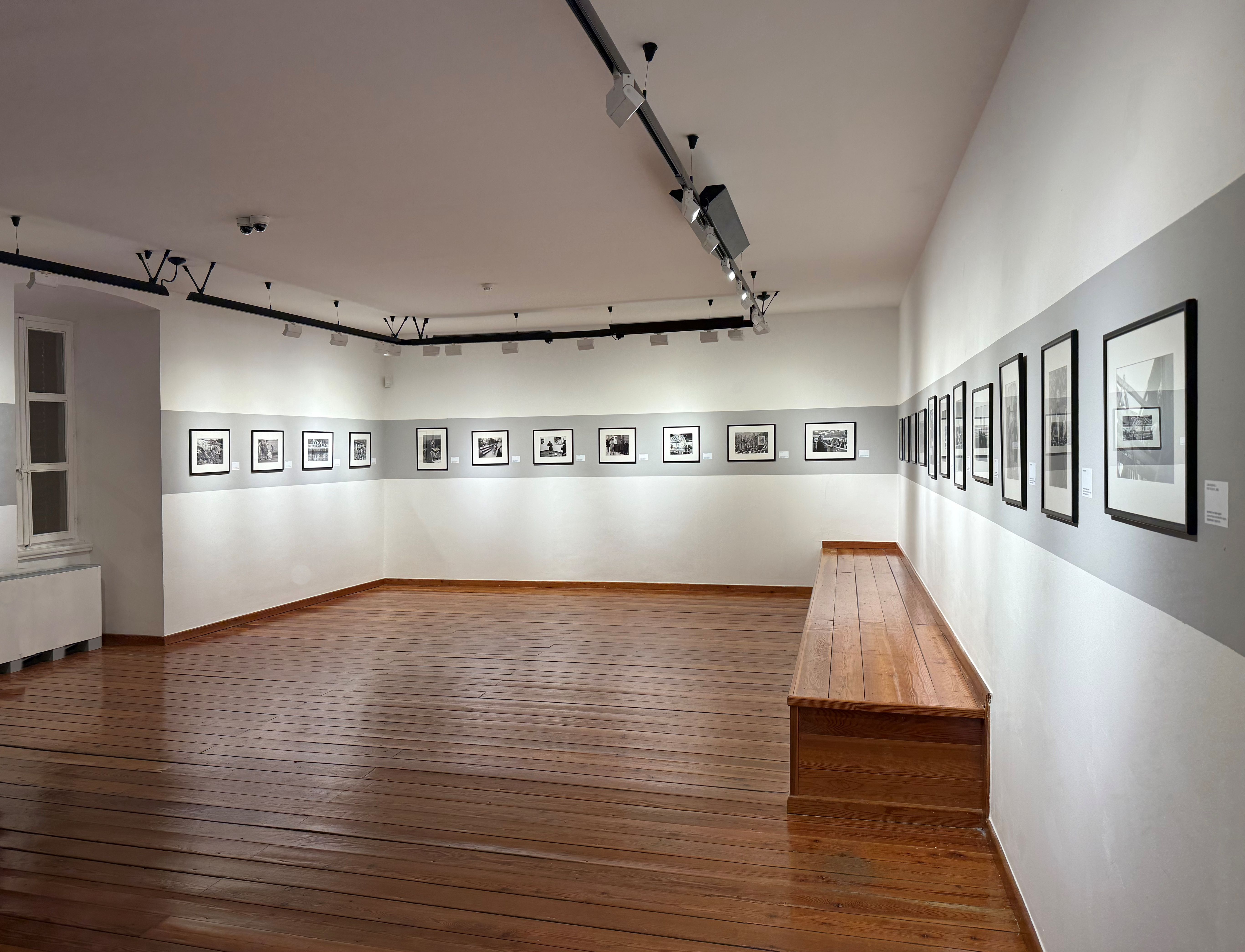
postav izložbe Mladena Tudora
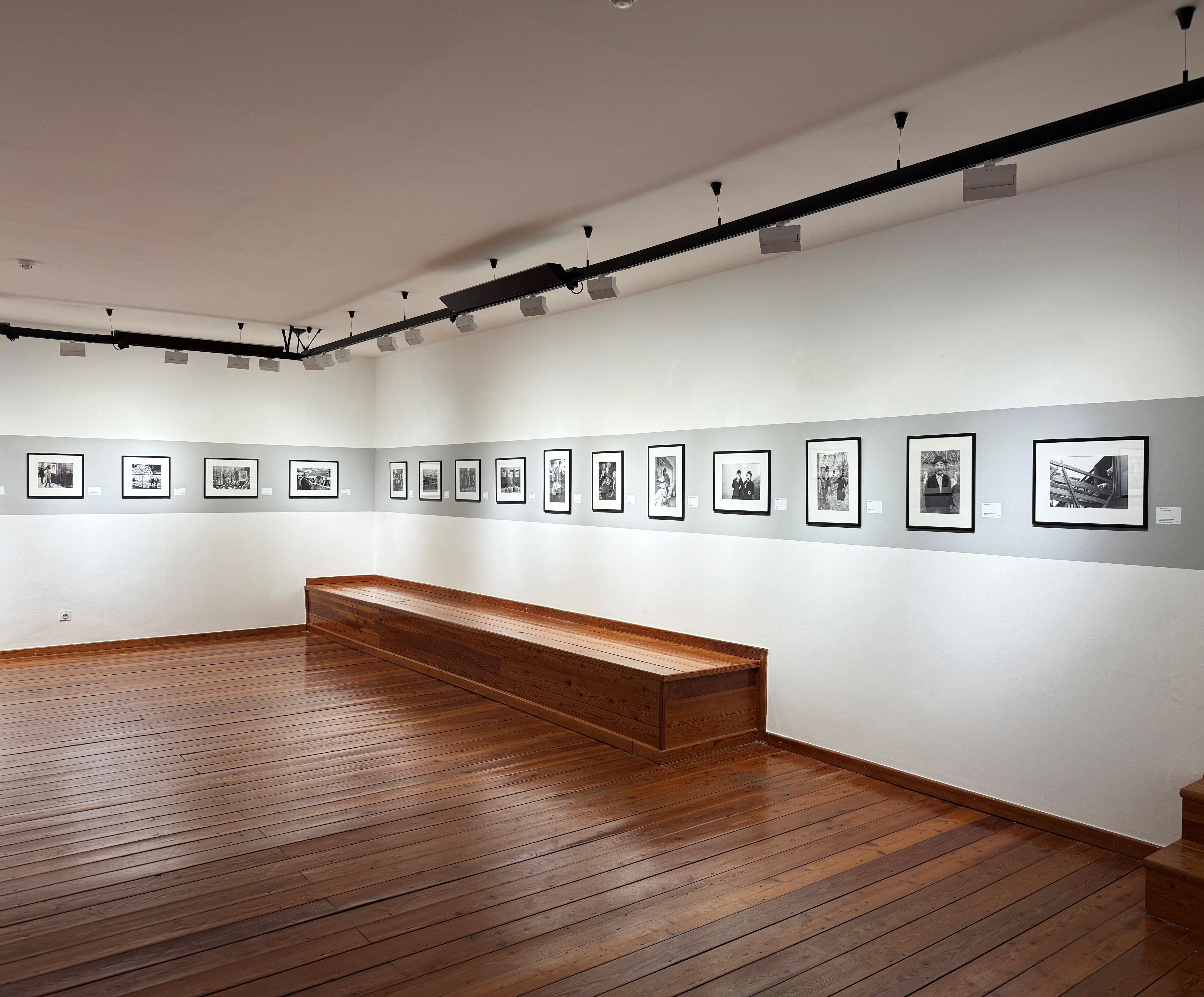
postav izložbe Mladena Tudora
MIHAELA RAŠICA
SKY OVER DUBROVNIK
4.9.-30.11.2025.
Curator: Jelena Tamindžija Donnart
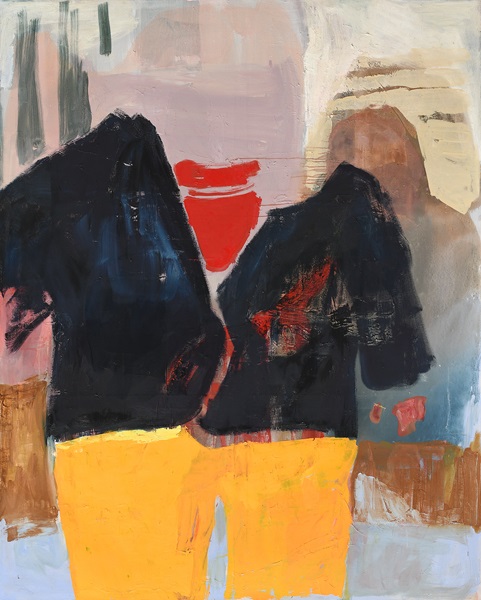
Child, 2024, oil on canvas
Memory in the work of Mihaela Rašica presents as a formative substance from which narrative and visual sets entwining between past and present emerge. Here memory is presented as a live organism that sets off, develops, bends and winds, the artist describing it as “huge, three dimensional and obscure”.2 These memories are hazy, neither faces nor objects having any clear outlines. She perceives them as large spaces of the spirit within which she inscribes her experiences, moments, people whom she recalls during what she calls her pilgrimage to the city of her childhood.
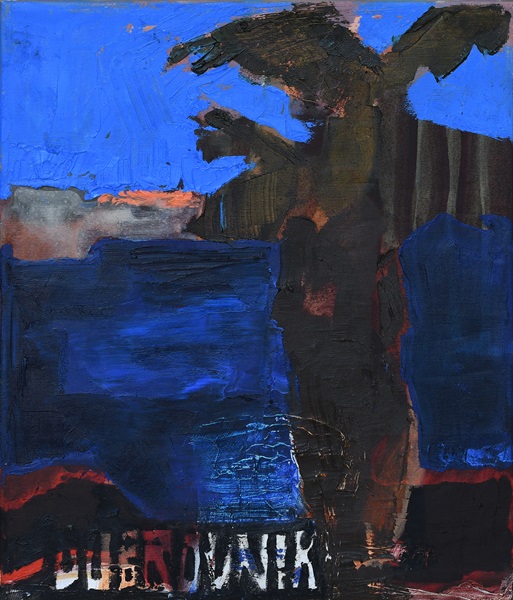
Dubrovnik, 2025, oil on canvas
Biography:
Mihaela Rašica was born in 1997 in Dubrovnik. In 2023 she took a degree from the Visual Culture Section and in 2024 from the Painting Section at the Academy of Fine Arts in Zagreb. She has exhibited at a number of solo and group shows in Croatia, Slovenia, Bosnia and Herzegovina and Portugal. She won the Kontrapunkt Prize at the 7th Croatian Painting Biennial. She has published two collections of her own poetry (Crimson, Crystal and Salt, 2023; Strings and Elements). In her art practice she is mostly concerned with the painterly problems of light and colour, incorporating expressively painted figures into abstractly treated colourist compositions. She paints in the heritage of post-Impressionism and American figurative expressionism, powerfully influenced by the traditions of Dubrovnik colourism. Even if heterogeneous, her motifs always have themes related to light
and colour as visual and also metaphysical and spiritual phenomena. She lives and works in Zagreb.
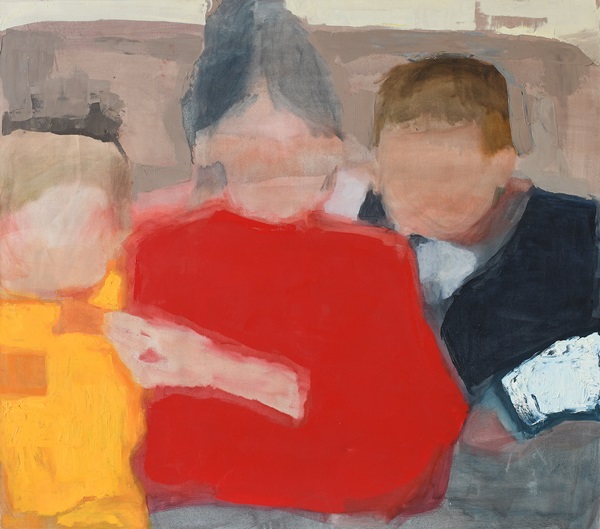
Remembering red, 2024, oil on canvas
BOJAN MRĐENOVIĆ
THE SPA
15.7. - 31.8.2025.
Curator: Rozana Vojvoda
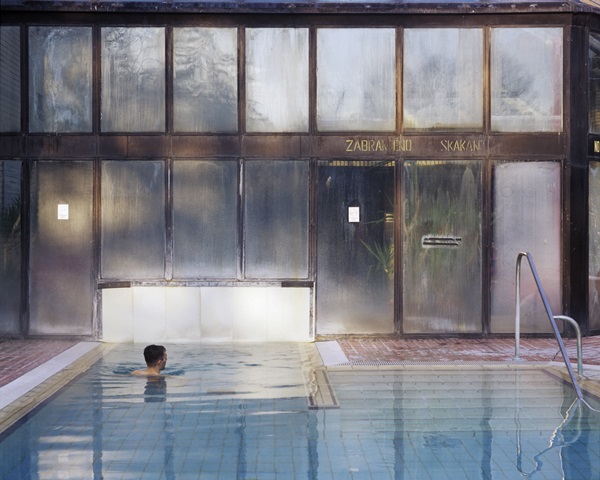
This is a selection from a series of photographs (2011 - 2025) of the Daruvar Spa and Health Resort complex built in 1980. In the Spa series, the author shoots "here and now", but at the same time records the architecture and interior design that contain the codes of another time. The captured interaction of people in the pool space signifies not only the communication of people at the time when Bojan Mrđenović was filming them, but also a universal image of socializing, the presence of the same social rituals in an unchanged spatial but different temporal context. The photographer's gaze and the shot that, through his selection, are placed before the observer's eyes associatively lead in several directions, but it is impossible to overlook his exceptional sensitivity to the disembodied presence of water vapor that softens shapes and transforms simple scenes into meaningful, poeticized visions. The spa in the photographs becomes an enclave of humanity, a scene of socializing, a surviving indicator of the continuity of repetitive rituals of soaking, relaxing, and swimming that historically date back to ancient times. However empathetic he may be towards his models, the photographer's real object of interest is the specific functioning of the community within the spa, recording established patterns and activities, the multiplicity of views that generate a vivid and dynamic image of the place.
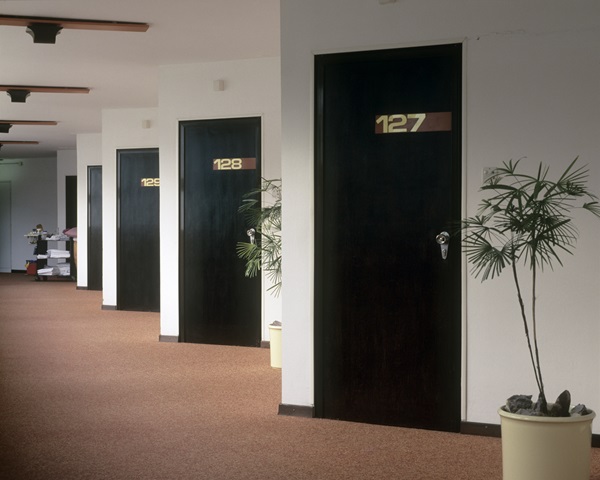
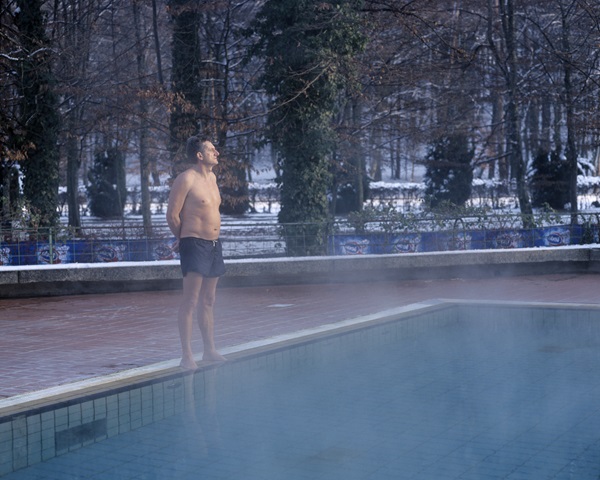
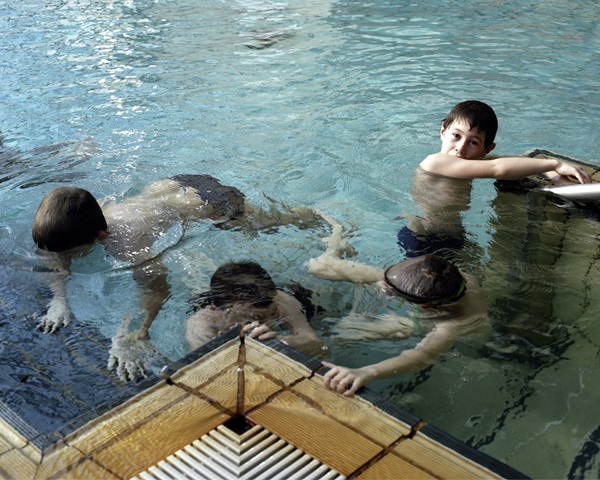
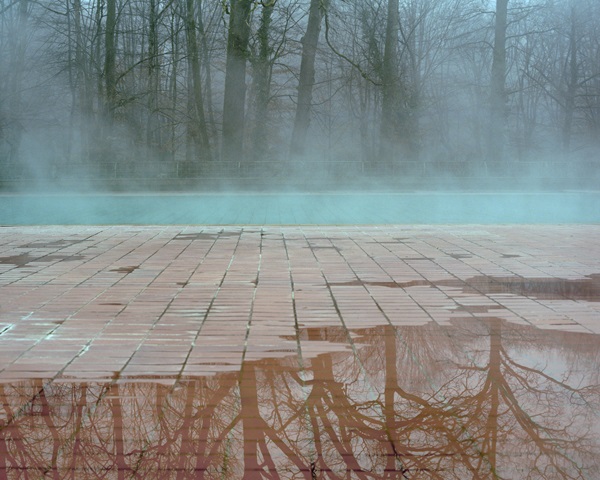
The work of this photographer and cinematographer is mainly associated with the denominator of social engagement and with a kind of voice of the younger generation of artists that includes a critical reflection on the problems of transition. The warm, human dimension with which the entire Toplice series is impregnated, in comparison with the recorded dispersion and dystopian character of Mrđenović's photographic series such as Future or Nature, Chemistry and Society, can be linked to the fact that Daruvar Spa represents an example of the benefits of public health and is also an example of the benefits of public space, since it is not intended only for people who have come for rehabilitation but for the entire citizenry. This year, given the major renovation of the spa complex that is underway, Mrđenović's photographs will gain an additional, documentary dimension, and the past that until recently coexisted with the present moment in the Toplica space will remain recorded only in the photographic medium. The exhibition also presents photographs of construction sites that symbolically mark the end of the photographic series, with an affirmative but not nostalgic view of the photographer who created a "portrait" of a community in which cyclical rituals are just as important as the unchanged environment.
Biography:
Bojan Mrđenović (b. 1987) has graduated in Art History and Information Science from Faculty of Humanities and Social Sciences in Zagreb in 2012. He graduated in Cinematography from Academy of Dramatic Art, Zagreb in 2015. Today he is employed as photography teacher at the department of Cinematography at the same Academy. He is working as a cinematographer and as a photographer.
Web: https://bojanmrdenovic.com/cv/
MUSIC AND MOVEMENT
WORKS FROM THE COLECTION OF THE MUSEUM OF MODERN ART DUBROVNIK
19.6.-9.7.2025.
Author of the exhibition: Jelena Tamindžija Donnart
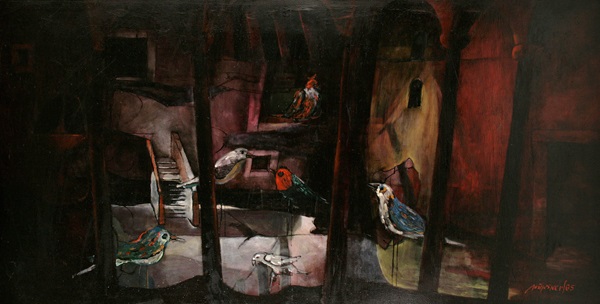 Josip Škerlj, Concert in the Rectors Palace, 1985
The exhibition features works by numerous artists, including Ljuba Babić, Oskar Herman, Ivo Dulčić, Kasja Mijatović-Uhlik, Josip Škerlj, Rudolf Sablić, Miljenko Stančić, Stanko Jančić, Branko Ružić, Marijan Guv, Ivo Grbić, Ana Krizmanić, and Marin Tartaglia.
About music in the visual arts and the inspiration for this exhibition, Tamindžija Donnart writes, among other things: "The depictions of music in the visual arts have manifested themselves through various approaches by artists to this topic - from portraying the musicians, dancers and musical instruments themselves to attempts to depict the properties of one medium in another. The selection of works from the collection of the Dubrovnik Art Gallery covers the period from 1926 (Marino Tartaglia, Little Drummer, 1926) to the 1980s, in which artists in classical media - painting, sculpture and graphics - pay homage to names from the world of music, for example composers or ballerinas, or their works visually imitate movement, sound or rhythm from the medium of music."
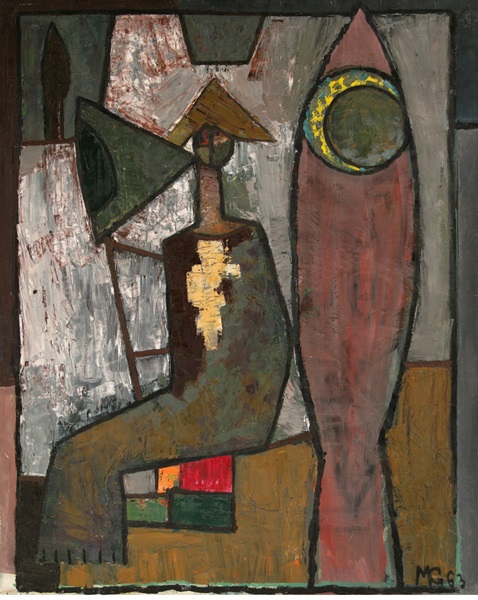
Marijan Guvo, The trumpeter, 1963
THE FLEETING MOMENT
STILL LIFES FROM THE COLLECTION
OF THE MUSEUM OF MODERN ART DUBROVNIK
15. 4. – 15. 6. 2025.
Author of the exhibition: Jelena Tamindžija Donnart
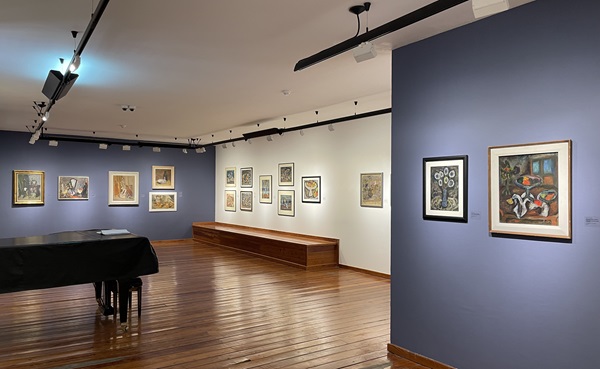
The exhibition features works by numerous artists, including Oton Gliha, Antun Šojat, Vlaho Bukovac, Mato Celestin Medović, Mila Kumbatović, Marin Tartaglia, Marijan Guva, Marta Ehrlich, Ivo Vojvodić, Đuro Pulitika, Antun Masla, and Tomislav Ciko.
In the act of painting, the artist exercises his or her observation and registration of composition, the light, shade and texture of the motif chosen for the image. This selection of items usually comes down to objects of the quotidian: decorative or use objects on a table or in the interior: a water glass and bottle, vase, floral arrangement, books, a clock, fruit, sculptures, icons and paintings. Particular attention will be devoted to the state of the item during the painting process, in which the stroke of the brush halts time and records the precise state of being at the moment of perception.
In watercolour and tempera Đuro Pulitika was to analyse the relationships of light in the picture, the building of the composition and the contouring of forms in his depiction of fruit and vegetables on a table. The cloisonne-style contouring of forms that was to be seen on his oil paintings can be seen in his painter friend Antun Masle, who also borrowed this manner of painting from France’s Georges Rouault.
With their placement of their still-life motifs in the space, to be seen with the artists Antun Šojat (Still Life, 1950-1952), Zenaida Bandur (Peppers, 1930), Mila Kumbatović (Still Life with Cockerels, 1953), Ante Petričić (Still Life, 1945), Tomislav Cik (Still Life with Icon, 1972), Mario Pregelj (Still Life with Playing Cards, around 1955), Ivan Tabaković (Still Life, around 1950), the authors are observing and exercising the building of composition, analysing the relationship of forms, the conversation among motifs, as well as perspective. By placing objects in context, the painters also endeavour to render the atmosphere of the depiction, informing us about the inhabitant of the space or user of the object, as well as about the intimate space itself, often dark, gloomy and neglected, creating a mood of melancholy and nostalgia.
The absolute retreat from representation, from mimesis, is visible in the works of Marijan Guvo (Bouquet of Flowers, 1963), Marin Tartaglia (Flowers, 1969), Gabro Rajčević (Still Life, 1934) and Ferdinand Kujlmer (Still Life, 1954), who in their subjective interpretations seek a new visual idiom based on the template of the still life. Guvo studies Cubist forms and the search for pictorial verticality, Kulmer and Tartaglia reduction and condensation of form as well as the power of whiteness in the composition, while Rajčević resorts to variations of colour, which is the main generator and creator of composition.
Vlaho Bukovac and Portraits of Dubrovnik Families
11.12.2024. - 30.3.2025.
AUTHORS OF THE EXHIBITION
Rozana Vojvoda
Lucija Vuković
PARTNER OF THE EXHIBITION
Dubrovnik Museums
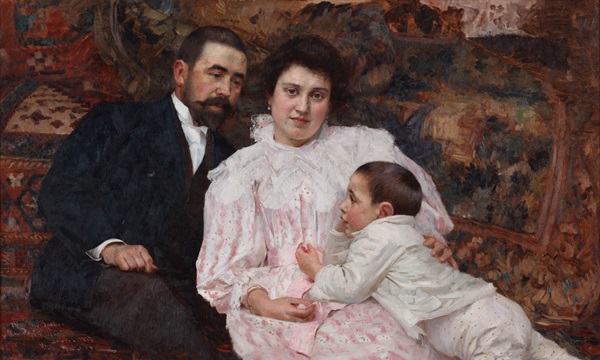
Portrait of the Papi Family, 1897 oil on canvas, foto: Goran Vranić
Marking the centennial year of the death of Vlaho Bukovac, in 2022 the Museum of Modern Art Dubrovnik put on the exhibition Recapitulation, which presented all seventy-four works of his in the collection. Entirely unexpectedly, the very next year the museum’s collection was enriched with three more Bukovac portraits, of members of the Bibica family, thanks to the donation of Ana Bakija-Konsuo, PhD, MD. The idea was thus mooted of an exhibition of portraits of Dubrovnik families, in order to position the works in the donation art historically. The portraits selected for exhibition from the collection are close in terms of time of creation, style and context to the portraits of the Bibicas. The exhibition is also a reference to the fortunate situation that the collection already has the anthological portrait of Katarina or Kate Bibica. A look into Bukovac’s portrait work is always intriguing for almost as a rule we will be dealing with superior accomplishments of the genre; it is a rarity to find a really bad portrait and on the whole portraits done a little more poorly were those painted from a photographic prototype. Along with the artistic talent, the speed and laid-back execution, the very personality of the painter, his communicativeness, sociability and empathy, which can be seen from his Autobiography, from the memoir of his youngest daughter, Ivanka, the writings and memories of contemporaries, in a way predestined him to be engaged very vigorously and successfully with portrait work.1 The serial portraiture of members of the same family that Bukovac carried out with members of the Bibica family is a trademark of his portrait work.
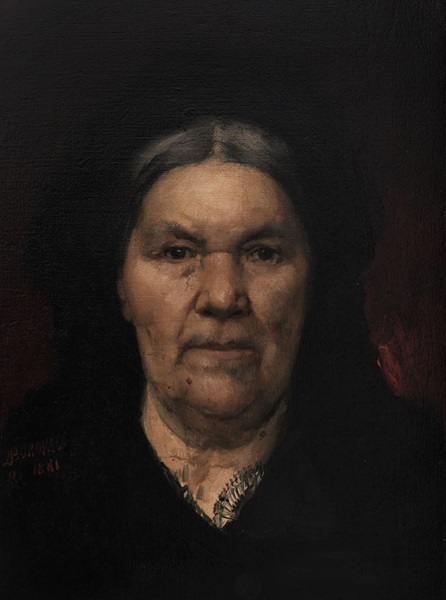
Portrait of Lucija Bibica née Drašković, 1881, oil on canvas, foto: Miho Skvrce
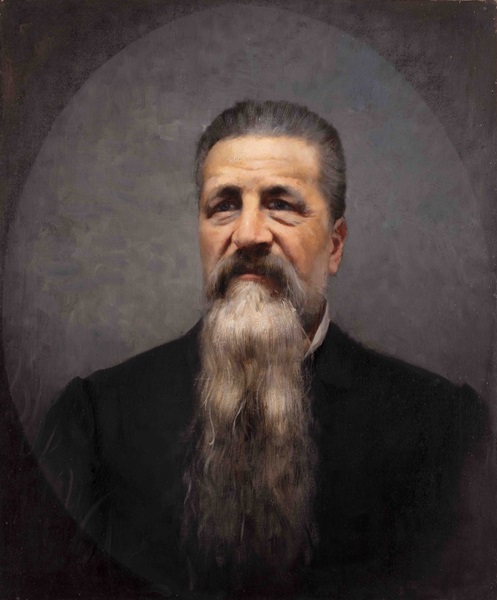
Portrait of Marko Dabrović, 1881 – 1885 oil on canvas
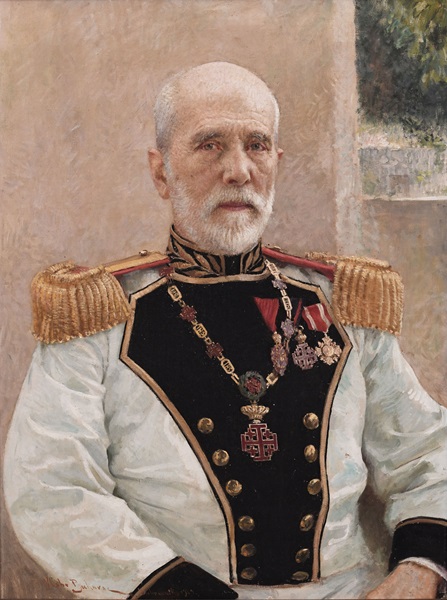
Portrait of Ignacije (Inje) Amerling, 1909 oil on canvas